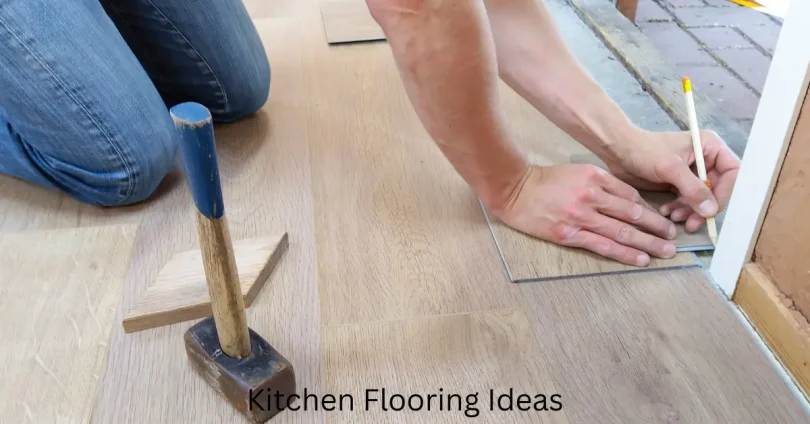

Kitchens and bathrooms punish floors like no other rooms: splashes, steam, dropped pans and daily mopping all take their toll. Choosing from the right waterproof flooring options means your floor survives years of this without swelling, staining or lifting at the edges. This guide compares the main materials honestly — what each costs, how it feels underfoot, and where each one genuinely belongs.
Vinyl: The Practical All-Rounder
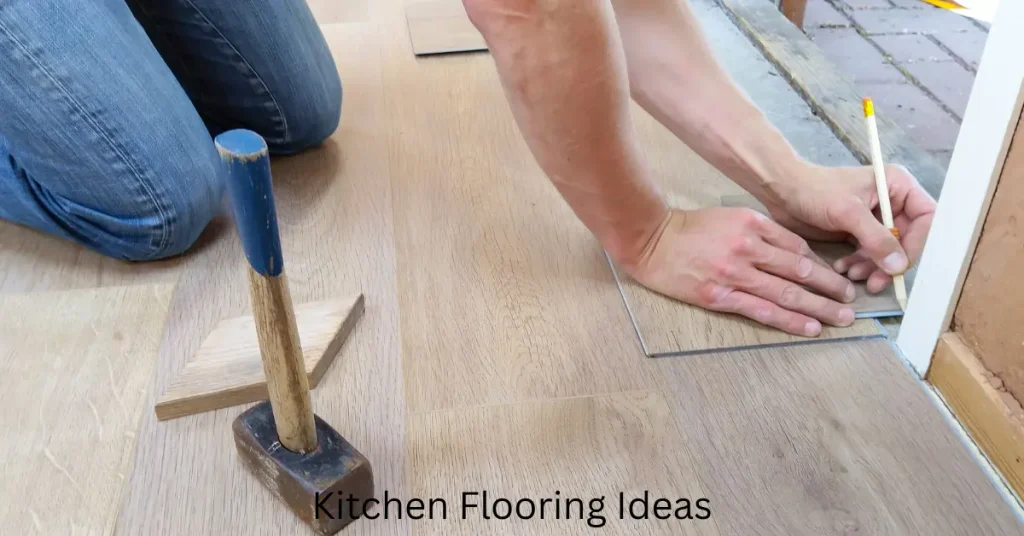
Modern vinyl planks and sheets are fully waterproof, comfortable to stand on, and kind to dropped dishes. Luxury vinyl planks imitate wood convincingly enough that guests rarely notice, and sheet vinyl remains the cheapest way to seal a whole bathroom with almost no seams. Installation is forgiving, which lowers labour cost, and individual planks can be replaced if one is damaged.
Vinyl also pairs well with the styles in our roundup of budget flooring ideas, since a waterproof vinyl layer often costs less than re-tiling. For kitchens specifically, compare the finishes discussed in our kitchen flooring guide — matte, textured vinyl gives grip even when the floor is wet.
Ceramic and Porcelain Tiles: The Classic Choice
Tile has guarded wet rooms for centuries, and porcelain in particular absorbs almost no water. It shrugs off heat, knives and heavy appliances, and the design range runs from plain white to stone and wood effects. The weaknesses are real, though: tile is cold in winter, hard on the knees during long cooking sessions, and grout lines need sealing and scrubbing to stay clean.
If you choose tile, spend on the subfloor preparation. Most tile failures in bathrooms come from movement or moisture beneath, not from the tile itself. Among waterproof flooring options, tile rewards careful installation more than any other material — rushed work shows within a year.
Water-Resistant Laminate: Better Than It Was
Standard laminate and water do not mix, but newer water-resistant ranges protect the core for 24 to 72 hours against standing spills. That makes them acceptable in kitchens where splashes are wiped quickly, though they remain a risky choice inside bathrooms with showers. The appeal is warmth and realism: laminate feels softer and warmer than tile and photographs like real wood.
Treat laminate as a kitchen-only candidate and check the warranty wording carefully — “water resistant” and “waterproof” are different promises. In a family bathroom with small children and daily flooding, vinyl or tile will serve you better.
Natural Stone and Concrete Finishes
Stone looks magnificent and lasts decades, but it is porous unless sealed regularly, heavy, and the most expensive option here. Polished concrete and micro-cement finishes give a seamless, modern look with no grout lines, and when properly sealed they handle water well. Both need professional application; a poor sealing job lets moisture stain the surface permanently.
These finishes suit homeowners who plan to stay for years and want a distinctive look. For design inspiration that balances drama with practicality, the styles in our modern flooring ideas collection show how stone-look and concrete-look floors anchor a whole room.
Choosing Between Kitchen and Bathroom Needs
Kitchens need grease resistance, comfort for long standing, and forgiveness for dropped objects. Bathrooms need grip when wet, tolerance for constant humidity, and easy disinfection. That is why so many homes mix materials: vinyl or laminate in the kitchen, porcelain tile in the bathroom. Matching colours across the two keeps the home feeling unified even when the materials differ.
Whatever you shortlist from these waterproof flooring options, order samples and test them at home: pour water, stand barefoot, and view them under your own lighting. A floor is a ten-year decision, and a day of testing is cheap insurance.
Costs, Installation and Day-to-Day Care
Budget realistically by adding up the whole job, not just the material. Tile is inexpensive per square metre but adds labour, adhesive, grout and the longest installation time. Vinyl is pricier in premium ranges yet fast to lay, so the total often meets or beats tile. Laminate sits between the two, while stone and micro-cement belong in a different budget category altogether.
Ask every installer three questions before hiring: how they prepare the subfloor, what they do at the edges and doorways, and how long before the room can be used again. Wet rooms fail at the seams, thresholds and toilet bases far more often than in the middle of the floor, and a good installer’s answers will focus exactly there.
Daily care is simple for every material here: wipe spills rather than letting them sit, use cleaners suited to the surface, and avoid flooding the floor with mop water. Felt pads under stools and mats at the sink and bath prevent most wear. Vinyl and tile need almost nothing else; laminate wants gentler cleaning and no steam mops; sealed stone and concrete need their sealant renewed on schedule. With that small routine, a well-chosen wet-room floor easily lasts a decade or more.
Do not forget the rooms’ edges while you decide. Skirting boards, thresholds and the step between the kitchen and the hall are where water sneaks into places it should never reach. Seal transitions properly, choose trims that match the floor material, and in bathrooms make sure the door itself can survive the steam — a beautiful floor under a swollen, sticking door is only half a job done. Planning these details before installation day is what separates a floor that looks fine for a year from one that stays sound for fifteen.
Before the installers leave, walk the finished floor slowly, in socks, and check every edge and corner with your hand as well as your eye. Small gaps, loose trims and rough patches are quick to fix on the day and annoying to chase later, so speak up while the tools are still in the room.
Conclusion
The right floor for a wet room balances water protection, comfort, budget and looks — in that order. Vinyl wins on practicality, tile on durability, laminate on warmth, and stone on beauty. Compare the waterproof flooring options honestly against how your household actually lives, and your kitchen and bathroom floors will stay handsome and sound for years.