Clutter is rarely about owning too much; it is about things having no decided place to live. The best home organization ideas work because they match how your household actually moves through the day, not how a catalogue thinks you should. This guide offers systems you can set up room by room, in small sessions, using mostly what you already own.
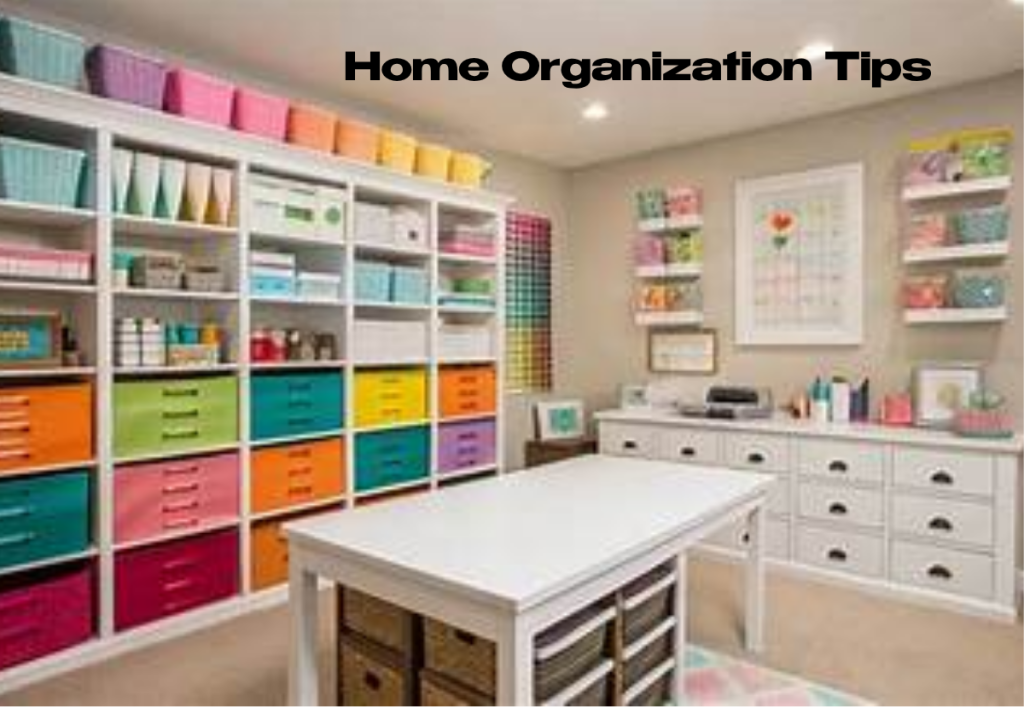
Start With the Drop Zones
Every home has places where things land: the chair in the bedroom, the table by the door, the kitchen counter corner. Instead of fighting these habits, organise them. A tray or basket at the entry for keys, mail and sunglasses turns a messy pile into a contained station. A hook rail where jackets already get thrown makes the habit tidy instead of untidy.
Work through one drop zone at a time and ask what each item is doing there. Things used daily earn a proper spot within reach; things used rarely move to a cupboard; things used never leave the house. Most home organization ideas fail because they skip this sorting step, so take it slowly.
The Kitchen: Zones, Not Just Cupboards
Organise the kitchen by activity: cooking near the stove, prep near the counter, tea and breakfast near the kettle. Store items where the activity happens and duplicates reveal themselves quickly — most kitchens own three spatulas and use one. Clear containers at eye level for daily staples, and the back of deep cupboards for seasonal items only.
Floors matter here more than people expect: a clear, easy-clean surface makes the whole system easier to keep. Our kitchen flooring guide covers options that forgive spills and dropped jars, which pairs well with open, organised layouts. If a full refit is beyond budget, the budget flooring ideas roundup shows cheaper ways to refresh the base of the room.
Bedrooms and Wardrobes That Stay Tidy
The wardrobe rule that works: everything visible, everything reachable. Fold or hang by category, keep one shelf for the current season’s daily wear, and store the rest higher or deeper. A small “maybe” box helps — items you are unsure about go in, and anything untouched after a month gets donated without regret.
Under-bed storage suits spare bedding and out-of-season clothes, while a narrow rack behind the door handles shoes and bags. Comfort underfoot completes the calm: our bedroom flooring ideas explain which surfaces feel warm on winter mornings and stay quiet at night — worth reading before your next bedroom refresh.
Living Room Systems for Real Families
Living rooms collect everyone’s hobbies, so give each one a boundary: a basket for toys, a shelf for games, a drawer for chargers and remotes. Closed storage beats open display for everyday items because visual calm is the real goal. A coffee table with a lower shelf or storage inside earns its place in a busy home.
Choose surfaces that tolerate family life. The suggestions in our living room flooring guide focus on finishes that handle sofa movement, pet paws and snack spills without constant worry. When the base of the room is forgiving, keeping it organised stops feeling like a battle.
Keeping the System Alive
Organisation is maintenance, not an event. A ten-minute reset each evening — items back to their zones, surfaces cleared — prevents the slow slide back into clutter. Once a season, review one cupboard and release what no longer serves you. Label shelves where several people share storage, so the system does not live in only one person’s head.
The most durable home organization ideas are boring on purpose: a place for everything, decided once, respected daily. Build yours room by room, and the calm will spread from the first tidy drawer to the whole house.
Small Spaces and Shared Homes
Compact homes do not need less stuff so much as smarter placement. Go vertical: tall, narrow shelving uses the airspace nobody misses, and the top shelves take the rarely used items. Choose furniture that works twice — ottomans with storage, beds with drawers, tables that fold against a wall. Every double-duty piece replaces a piece you no longer need to own.
In shared homes, agree the rules together. Labelled personal zones — one shelf, one basket, one drawer each — stop arguments about whose things are in the way, while truly shared items get shared places. A small weekly rota for the entryway, bathroom counter and kitchen surfaces keeps reset work fair and stops resentment building quietly.
Digital clutter counts too. A shared folder naming system for documents and photos, one password-protected place for important files, and a monthly ten-minute clear-out of downloads and desktops keep the virtual side of the home as calm as the physical side. Organisation is a lifestyle more than a project, and small spaces simply make the benefits visible faster.
Paperwork deserves its own small system, because paper clutter spreads faster than any other kind. Keep one folder for documents that need action, one for records to keep, and a recycling habit for everything else. Bills, school notes and warranties each get a home the day they arrive, not a pile that grows until it becomes a weekend project. Photograph or scan the important items as a backup, and shred anything with personal details before it leaves the house. Fifteen organised minutes a month keeps the paper mountain from ever forming.
When motivation fades, shrink the task rather than abandoning it. One drawer, one shelf, one corner of one room is a complete success on a busy week, and it keeps the habit alive. Tidiness compounds the way clutter does — slowly, then all at once — and most households are only a few small, consistent sessions away from a home that feels permanently under control.
Conclusion
A clutter-free home comes from systems, not storage boxes. Fix the drop zones, organise by activity, give every hobby a boundary, and reset a little each day. Start with the room that annoys you most, apply these home organization ideas, and enjoy how much larger and calmer your home suddenly feels.