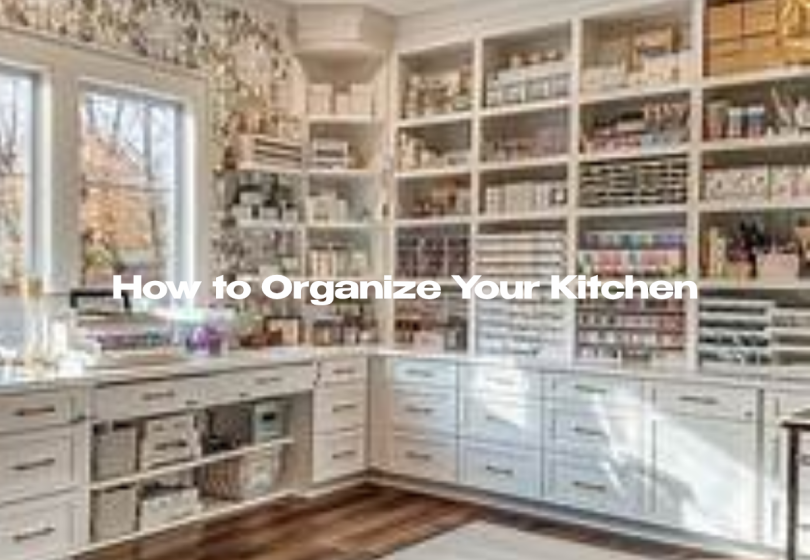

If you’ve ever spent ten minutes searching for a measuring cup, discovered expired food hiding at the back of your pantry, or felt overwhelmed by cluttered countertops, you’re definitely not alone. The kitchen is one of the busiest places in any home, and without a good system, it can quickly become messy and difficult to manage.
The good news is that learning how to organize your kitchen doesn’t require a huge budget, fancy storage products, or professional help. With a little planning and a few practical strategies, you can transform your kitchen into a clean, organized, and efficient space that makes cooking enjoyable instead of stressful.
In this complete guide, you’ll discover why kitchen organization matters, the benefits and possible drawbacks, practical organization tips, common mistakes to avoid, and expert advice for keeping your kitchen organized for years to come.
Why Learning How to Organize Your Kitchen Matters

Your kitchen isn’t just a place where meals are prepared. It’s often the heart of the home—a space where families gather, conversations happen, and memories are made.
An organized kitchen makes everyday tasks easier. Whether you’re preparing breakfast before work or cooking a large family dinner, everything becomes faster when every item has its own place.
Instead of wasting valuable time searching through crowded cabinets or overflowing drawers, you’ll know exactly where everything is.
A well-organized kitchen also helps reduce food waste, improves cleanliness, saves money, and creates a more relaxing cooking experience.
Benefits of Organizing Your Kitchen
There are many reasons why homeowners invest time in organizing their kitchens. Here are some of the biggest advantages.
1. Saves Valuable Time
One of the greatest benefits of learning how to organize your kitchen is the amount of time you’ll save.
Imagine cooking dinner without constantly opening different cabinets looking for spices, utensils, or cookware. Everything is exactly where you expect it to be.
Even saving five or ten minutes every day adds up significantly over an entire year.
2. Makes Cooking More Enjoyable
Cooking becomes much less stressful when your workspace is clean and organized.
Instead of dealing with clutter, you can focus on preparing delicious meals.
Many people find themselves cooking at home more often simply because their kitchen feels comfortable and welcoming.
3. Reduces Food Waste
When your pantry and refrigerator are organized, it’s easier to see what food you already have.
You’ll be less likely to buy duplicate items or forget about ingredients until they’ve expired.
This not only reduces waste but also saves money on groceries.
4. Creates More Storage Space
A cluttered kitchen often feels smaller than it really is.
By organizing cabinets, using vertical storage, and removing unnecessary items, you’ll discover storage space you didn’t even know you had.
5. Makes Cleaning Easier
A clean kitchen starts with an organized kitchen.
When countertops are clear and cabinets aren’t overflowing, wiping surfaces and cleaning becomes much quicker.
6. Improves Kitchen Safety
A messy kitchen can increase the risk of accidents.
Sharp knives, hot pans, and cleaning products should all have designated storage areas.
Proper organization helps prevent injuries and creates a safer environment for everyone.
7. Reduces Stress
Clutter often creates mental stress.
Walking into a clean, organized kitchen can make your entire home feel calmer and more inviting.
Many people report feeling more motivated to cook and spend time with family after organizing their kitchen.
You may also like to read these posts:
Affordable Home Improvement Ideas
Ways to Improve Energy at Home
Drawbacks of Organizing Your Kitchen
Although organizing your kitchen has many advantages, there are a few challenges to consider.
1. It Takes Time
Organizing an entire kitchen isn’t something that happens in one hour.
Depending on the size of your kitchen, the process may take an entire weekend.
However, once completed, maintaining it becomes much easier.
2. Initial Costs
Some organization tools can be expensive.
Items like:
- Clear storage containers
- Drawer dividers
- Shelf organizers
- Lazy Susans
- Pantry bins
can increase the overall cost.
Fortunately, you don’t need to buy everything at once.
3. Requires Ongoing Maintenance
An organized kitchen won’t stay organized automatically.
Family members need to return items to their proper places and regularly remove clutter.
Consistency is the key
4. Letting Go Can Be Difficult
Many people keep duplicate utensils, old appliances, or dishes they rarely use because they might need them someday.
Decluttering requires making practical decisions about what truly deserves space in your kitchen.
Step 1: Empty Every Cabinet and Drawer
The first step in how to organize your kitchen is starting with a completely blank slate.
Take everything out of:
- Cabinets
- Drawers
- Pantry shelves
- Refrigerator
- Freezer
- Countertops
Although this may seem overwhelming at first, it’s the best way to see exactly what you own.
Step 2: Declutter Before Organizing
Never organize clutter.
Go through every item and ask yourself:
- Have I used this in the past year?
- Is it broken?
- Is it expired?
- Do I own duplicates?
- Does it still serve a purpose?
Donate usable items and throw away anything broken or expired.
Remember, organizing becomes much easier when you own fewer unnecessary items.
Step 3: Sort Everything into Categories
Now begin grouping similar items together.
Examples include:
- Baking supplies
- Cooking utensils
- Pots and pans
- Plates
- Bowls
- Glasses
- Coffee supplies
- Spices
- Snacks
- Canned food
- Cleaning products
- Food storage containers
Categorizing helps you create an efficient storage system.
Step 4: Create Functional Kitchen Zones
Professional organizers recommend dividing your kitchen into activity zones.
Cooking Zone
Store:
- Pots
- Pans
- Cooking oils
- Salt and pepper
- Frequently used spices
- Cooking utensils
Keep these near your stove.
Food Preparation Zone
Include:
- Cutting boards
- Knives
- Mixing bowls
- Measuring cups
- Measuring spoons
- Peelers
This area should have enough counter space for meal preparation.
Cleaning Zone
Near the sink, store:
- Dish soap
- Dishwasher tablets
- Sponges
- Towels
- Trash bags
- Cleaning sprays
Pantry Zone
Organize dry foods together, including:
- Rice
- Pasta
- Flour
- Sugar
- Cereal
- Snacks
- Canned goods
Beverage Station
Create one convenient place for:
- Coffee
- Tea
- Mugs
- Sugar
- Creamers
- Water bottles
This keeps your morning routine simple.
Step 5: Use Smart Storage Solutions
Storage products can maximize your available space.
Helpful organizers include:
- Clear containers
- Stackable bins
- Shelf risers
- Drawer organizers
- Pull-out baskets
- Lazy Susans
- Cabinet door racks
- Under-shelf baskets
- Magnetic knife strips
Choose products based on your actual needs rather than buying organizers before decluttering.
Step 6: Organize Your Pantry Like a Professional
A tidy pantry saves time and prevents waste.
Arrange foods by category.
For example:
- Breakfast foods
- Baking ingredients
- Snacks
- Pasta and rice
- Canned vegetables
- Soups
- Sauces
Use clear containers for dry ingredients and label everything.
Place older products at the front and newer ones behind to ensure older food gets used first
Step 7: Organize Your Refrigerator
Your refrigerator deserves the same attention.
Store similar foods together.
For example:
- Dairy products together
- Fruits together
- Vegetables in designated drawers
- Leftovers on one shelf
- Drinks in one section
Clean out expired food every week before grocery shopping.
Step 8: Keep Countertops Minimal
Your countertop is valuable workspace.
Only keep daily essentials visible.
These may include:
- Coffee maker
- Toaster
- Knife block
- Fruit bowl
Everything else should have a permanent storage location.
Step 9: Make the Most of Small Kitchens
If you have limited space, organization becomes even more important.
Try these ideas:
- Install wall-mounted shelves.
- Hang mugs under cabinets.
- Use hooks for cooking utensils.
- Stack cookware neatly.
- Store appliances you rarely use in higher cabinets.
- Use the inside of cabinet doors for storage.
Small improvements can make even tiny kitchens feel much larger.
Step 10: Build Daily Habits That Keep Your Kitchen Organized
Organization isn’t a one-time project.
Spend just 10–15 minutes each day on simple maintenance.
Daily habits include:
- Washing dishes after meals
- Wiping countertops
- Returning items to their proper places
- Emptying the trash
- Checking the refrigerator for expired food
- Refilling frequently used containers
These small habits prevent clutter from returning.
Common Kitchen Organization Mistakes
Avoid these common mistakes:
- Buying organizers before decluttering
- Keeping too many duplicate items
- Ignoring expiration dates
- Overfilling cabinets
- Leaving countertops crowded
- Forgetting to label containers
- Storing everyday items in hard-to-reach places
- Failing to maintain the organization system
Expert Tips for Long-Term Kitchen Organization
To keep your kitchen organized year-round:
- Declutter every three to six months.
- Rotate pantry items regularly.
- Store heavy cookware in lower cabinets.
- Keep frequently used items within easy reach.
- Use labels to maintain consistency.
- Avoid buying unnecessary kitchen gadgets.
- Assign every item a permanent home.
Frequently Asked Questions
How often should I organize my kitchen?
A deep organization every three to six months is usually enough. However, light maintenance should be done daily and pantry or refrigerator checks weekly.
What is the best way to organize a small kitchen?
Use vertical storage, stackable containers, wall hooks, drawer dividers, and cabinet organizers. Keep only the items you use regularly within easy reach.
Should I label kitchen containers?
Yes. Labels make it easier to identify ingredients, keep shelves tidy, and encourage everyone in the household to return items to the correct place.
Do I need expensive organizers?
No. You can start with simple baskets, reused jars, or affordable bins. The most important part is creating a system that works for your space and maintaining it consistently.
Final Thoughts
Learning how to organize your kitchen is one of the best investments you can make for your home. An organized kitchen saves time, reduces stress, minimizes food waste, and makes cooking a much more enjoyable experience.
While the initial process may require some effort and, in some cases, a small investment in storage solutions, the long-term rewards far outweigh the drawbacks. By decluttering, creating practical zones, using smart storage techniques, and building simple daily habits, you can keep your kitchen clean, functional, and welcoming every day.