
Your bathroom floor plays a bigger role than you might think. It is not only a surface you walk on every day — it also affects the overall style, comfort, safety, and value of your home. Since bathrooms are constantly exposed to water, humidity, and frequent cleaning, choosing the right flooring requires careful consideration.
With so many materials available today, homeowners often wonder which option is the best. Should you choose classic tiles, modern vinyl, luxurious stone, or a wood-look design?
In this detailed guide, we’ll explore the Top Bathroom Flooring Ideas, including their benefits, drawbacks, maintenance requirements, and ideal uses, so you can make a confident decision for your bathroom renovation.
Why Choosing the Right Bathroom Flooring Matters
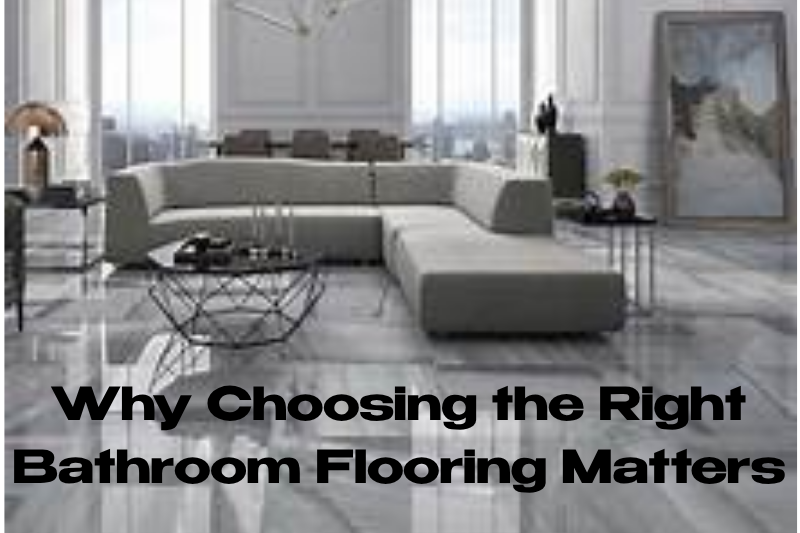
Bathroom flooring needs to handle challenges that other rooms usually don’t face. A good bathroom floor should be:
- Water-resistant or waterproof
- Durable enough for daily use
- Easy to clean and maintain
- Safe when wet
- Comfortable under your feet
- Attractive and suitable for your bathroom design
The right flooring can transform an ordinary bathroom into a stylish and relaxing space.
1. Porcelain Tile Flooring: Durable and Elegant
Porcelain tile remains one of the most popular choices for bathrooms because of its strength, versatility, and water resistance. It is made from dense clay that is fired at high temperatures, making it harder and less porous than many other flooring materials.
Modern porcelain tiles are available in designs that imitate natural stone, marble, wood, and concrete. This allows you to achieve a luxury appearance while enjoying easy maintenance.
Benefits of Porcelain Tile Flooring
Excellent Water Resistance
Porcelain has very low water absorption, making it ideal for bathrooms, showers, and areas exposed to moisture.
Extremely Durable
It can handle heavy foot traffic and usually lasts for many years when properly installed.
Wide Range of Designs
You can find porcelain tiles in almost every color, texture, shape, and pattern.
Easy Maintenance
Regular sweeping and occasional mopping are usually enough to keep porcelain floors looking clean.
Works Well With Underfloor Heating
Porcelain transfers heat effectively, making it a good choice for heated bathroom floors.
Drawbacks of Porcelain Tile Flooring
Hard Surface
Porcelain is very hard, which may feel uncomfortable if you stand for long periods.
Can Feel Cold
Without heating, porcelain tiles can feel cold, especially during winter.
Installation Can Be Expensive
Professional installation is often recommended because cutting and placing tiles requires skill.
Grout Maintenance
The grout between tiles can collect dirt and may require regular cleaning.
Best for: Homeowners looking for a long-lasting, elegant, and low-maintenance bathroom floor.
2. Luxury Vinyl Flooring: Affordable and Comfortable
Luxury vinyl flooring has become one of the fastest-growing bathroom flooring choices. It offers the appearance of natural materials like hardwood and stone while providing excellent moisture resistance.
Available in planks, sheets, and tiles, luxury vinyl can fit almost any bathroom style.
Benefits of Luxury Vinyl Flooring
Budget-Friendly Option
Luxury vinyl usually costs less than many tile and stone options.
Comfortable Underfoot
Unlike ceramic or porcelain, vinyl has a softer feel and provides more comfort when walking barefoot.
Water-Resistant Designs
Many modern vinyl floors are designed to handle bathroom moisture effectively.
Easy Installation
Some vinyl products feature click-lock systems that make installation faster.
Variety of Styles
You can choose from wood textures, stone patterns, and modern colors.
Drawbacks of Luxury Vinyl Flooring
Can Be Damaged by Sharp Objects
Heavy furniture or sharp items may scratch or dent the surface.
May Not Increase Home Value as Much as Tile
Some buyers still prefer natural materials like stone or ceramic tile.
Quality Differences
Low-quality vinyl products may not last as long as premium options.
Difficult to Repair
Damaged sections may require replacement instead of simple repairs.
Best for: Homeowners who want a stylish, comfortable, and affordable bathroom flooring solution.
3. Natural Stone Flooring: A Luxury Bathroom Upgrade
Natural stone flooring brings a unique and high-end appearance to bathrooms. Popular choices include marble, granite, slate, and limestone.
Since every stone has different patterns and textures, no two floors look exactly the same.
Benefits of Natural Stone Flooring
Beautiful and Unique Appearance
Natural stone creates a premium look that adds character and elegance.
Long-Term Durability
Many stone floors can last for decades when properly maintained.
Adds Home Value
Luxury materials can make a bathroom feel more upscale.
Natural Texture Options
Some stones provide textured surfaces that can improve slip resistance.
Drawbacks of Natural Stone Flooring
Higher Cost
Natural stone is often more expensive than ceramic, porcelain, or vinyl.
Requires Maintenance
Many stones need sealing to prevent stains and water damage.
Can Be Slippery
Polished stone surfaces may become slippery when wet.
Repairs Can Be Difficult
Matching replacement pieces can sometimes be challenging.
Best for: Homeowners who want a luxury bathroom design and are willing to invest in maintenance.
4. Ceramic Tile Flooring: Affordable and Versatile
Ceramic tile is a traditional bathroom flooring option that remains popular because it offers excellent design flexibility at a reasonable price.
It comes in countless colors, patterns, and sizes, allowing homeowners to create personalized bathroom designs.
Benefits of Ceramic Tile Flooring
Affordable
Ceramic tile is usually cheaper than porcelain and natural stone.
Many Design Choices
You can choose from countless styles, colors, and patterns.
Easy to Clean
Ceramic surfaces resist stains and are simple to maintain.
Good Moisture Resistance
Properly installed ceramic tile works well in bathrooms.
Drawbacks of Ceramic Tile Flooring
Less Durable Than Porcelain
Ceramic is slightly softer and may chip more easily.
Cold and Hard Surface
Like porcelain, it can feel uncomfortable without heating.
Grout Requires Maintenance
Dirty or stained grout can affect the overall appearance.
Best for: Budget-conscious homeowners who want attractive and practical flooring.
5. Waterproof Laminate Flooring: A Modern Wood Alternative
Traditional laminate is usually avoided in bathrooms because moisture can damage it. However, waterproof laminate products have improved and now offer better protection.
They provide the warm appearance of wood without the high cost of real hardwood.
Benefits of Waterproof Laminate Flooring
Wood Appearance
It creates a cozy and natural look.
More Affordable Than Hardwood
You can achieve a similar style at a lower price.
Comfortable Feel
Laminate feels warmer and softer than tile.
Simple Cleaning
Most waterproof laminate floors are easy to maintain.
Drawbacks of Waterproof Laminate Flooring
Limited Water Protection
Even waterproof options may not handle standing water for long periods.
May Need Replacement After Damage
Severe moisture damage can require replacing sections.
Not as Long-Lasting as Tile
It generally does not have the same lifespan as porcelain or stone.
Best for: Bathrooms with controlled moisture where you want a warm wood-inspired look.
You may also like to read these posts:
Ways to Improve Energy at Home
6. Heated Bathroom Flooring: Extra Comfort and Luxury
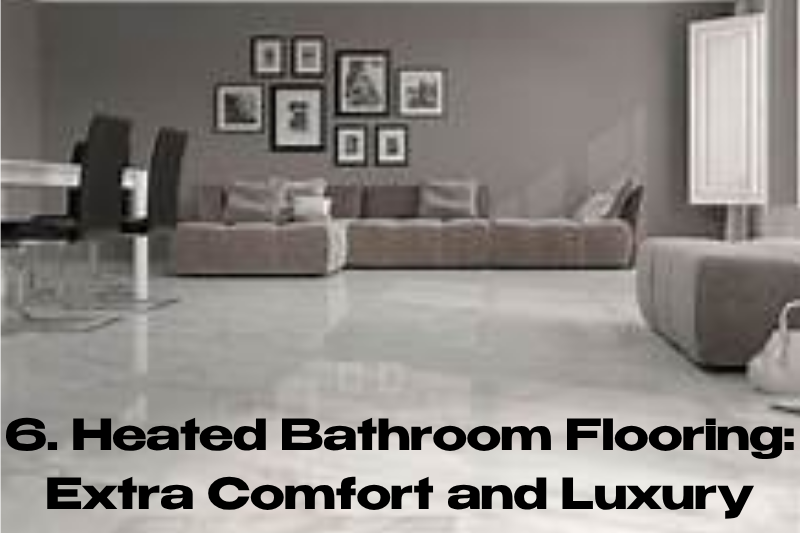
Heated floors are becoming increasingly popular because they provide warmth and comfort during colder seasons.
Radiant heating systems are installed beneath the flooring and gently warm the surface.
Benefits of Heated Bathroom Floors
Comfortable in Cold Weather
Warm floors make morning routines much more enjoyable.
Energy Efficient
Radiant heating can provide consistent warmth.
Works With Many Materials
It pairs well with tile, stone, and some vinyl products.
Adds Luxury Appeal
Heated floors can increase the comfort level of your bathroom.
Drawbacks of Heated Bathroom Floors
Higher Installation Cost
The system adds extra expense during renovation.
Repairs Can Be Complicated
Accessing the heating system may require removing flooring.
Professional Installation Required
Proper installation is important for safety and performance.
Best for: Homeowners creating a spa-like bathroom experience.
7. Wood-Look Bathroom Flooring: Warm and Stylish
Many people love the appearance of hardwood but avoid using real wood in bathrooms because of moisture concerns.
Wood-look porcelain tiles and vinyl planks provide the same visual warmth with better water resistance.
Benefits of Wood-Look Flooring
Beautiful Natural Appearance
It creates a warm and inviting atmosphere.
More Moisture Resistant Than Real Wood
Modern materials can handle bathroom conditions better.
Matches Many Design Styles
It works well with modern, rustic, and traditional bathrooms.
Drawbacks of Wood-Look Flooring
Not Real Wood
Some homeowners prefer authentic hardwood.
Quality Matters
Cheap designs may look less realistic.
Installation Costs Vary
Premium products may cost more.
Best for: People who want the beauty of wood without the maintenance concerns.
How to Choose the Best Bathroom Flooring for Your Home
Before making your final decision, consider these important factors:
Consider Your Budget
Tile and stone can be expensive, while vinyl and ceramic often provide more affordable options.
Think About Maintenance
If you want a low-maintenance floor, porcelain and luxury vinyl are excellent choices.
Prioritize Safety
Choose slip-resistant materials, especially for family bathrooms.
Match Your Design Style
Your flooring should complement your walls, fixtures, and overall bathroom theme.
Consider Long-Term Value
A slightly higher investment in quality flooring can save money on repairs and replacements later.
Final Thoughts
Choosing the right bathroom flooring is about balancing beauty, durability, comfort, and practicality. The Top Bathroom Flooring Ideas include options for every style and budget, from timeless porcelain tiles and luxurious natural stone to affordable vinyl and modern wood-look designs.
Before selecting a material, think about how your bathroom is used, how much maintenance you are comfortable with, and the overall look you want to achieve.
A well-chosen bathroom floor will not only improve the appearance of your space but also provide comfort and reliability for many years.
Frequently Asked Questions About Bathroom Flooring
1. What is the best flooring option for a bathroom?
The best bathroom flooring depends on your budget, style preferences, and maintenance needs. Porcelain tile is one of the most popular choices because it is highly durable, water-resistant, and available in many designs. Luxury vinyl is another excellent option because it is affordable, comfortable, and easy to maintain.
2. What is the most waterproof bathroom flooring?
Porcelain tile, ceramic tile, and luxury vinyl flooring are among the most water-resistant bathroom flooring options. Porcelain has very low water absorption, while waterproof luxury vinyl provides excellent protection against moisture when properly installed.
3. Is vinyl flooring good for a bathroom?
Yes, luxury vinyl flooring is a great choice for bathrooms. It is comfortable underfoot, affordable, available in many styles, and many modern options are designed to resist water and humidity. However, proper installation is important to prevent moisture from getting underneath the flooring.
4. What bathroom flooring lasts the longest?
Porcelain tile and natural stone flooring are among the longest-lasting bathroom flooring options. With proper installation and maintenance, porcelain tile can last for decades, making it a strong choice for homeowners looking for durability.
5. What is the easiest bathroom flooring to maintain?
Porcelain tile and luxury vinyl flooring are generally the easiest bathroom flooring materials to maintain. They require simple cleaning routines and are resistant to stains and moisture.