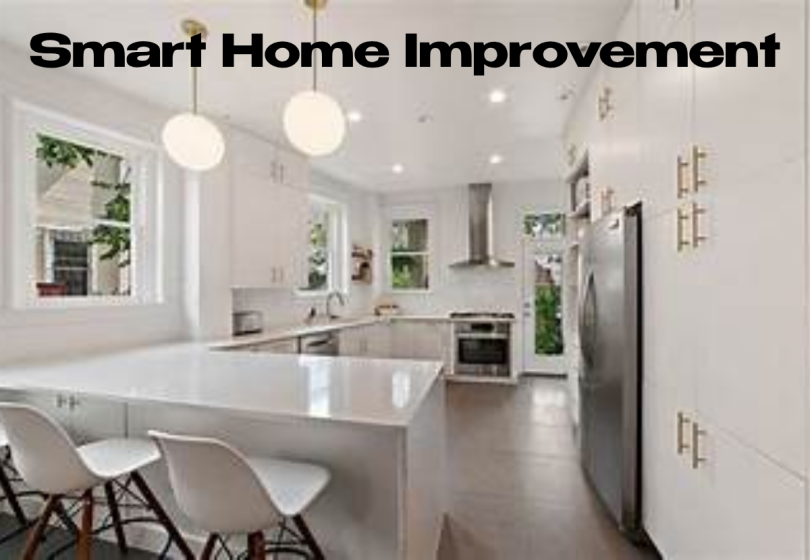

Smart Home Improvement is no longer something only seen in luxury homes or futuristic movies. Today, more homeowners are using smart devices and modern technology to make everyday life easier, safer, and more energy-efficient. From smart lights and thermostats to video doorbells, security cameras, smart plugs, and voice-controlled appliances, these upgrades can completely change the way you live in your home.
The good thing is that Smart Home Improvement does not mean you have to redesign your entire house or spend a huge amount of money at once. You can start small. Maybe you begin with a smart bulb in your bedroom, a smart plug in your living room, or a video doorbell at your front door. Slowly, you can add more devices according to your needs, budget, and lifestyle.
In simple words, Smart Home Improvement is about using technology to make your home work better for you. It gives you more control, more comfort, better safety, and sometimes even lower energy bills. But like every home upgrade, it also has some drawbacks that you should understand before investing your money.
This detailed guide will help you understand what Smart Home Improvement is, how it works, which upgrades are most useful, what benefits you can expect, and what problems you should be careful about.
What Is Smart Home Improvement?
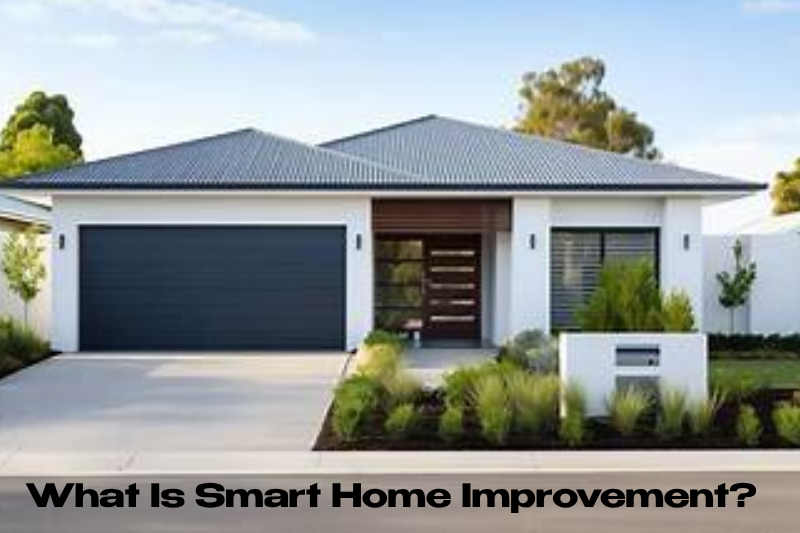
Smart Home Improvement means upgrading your home with smart devices, automated systems, and connected technology that can be controlled through your phone, tablet, computer, or voice assistant. These devices usually connect through Wi-Fi, Bluetooth, or a smart home hub.
For example, you can control your lights from your phone, lock your door remotely, check your security camera while you are away, adjust your thermostat automatically, or receive an alert if there is water leaking under your sink.
The main purpose of Smart Home Improvement is to make your home more convenient, secure, efficient, and comfortable. Instead of manually doing everything, smart systems help automate many daily tasks.
A regular home becomes smarter when different devices can communicate with you or with each other. For example, your smart doorbell can alert your phone when someone is at the door. Your smart lights can turn on automatically when you enter a room. Your thermostat can reduce energy use when no one is home. These small changes can make a big difference in daily life.
Why Smart Home Improvement Is Becoming Popular
Smart Home Improvement is becoming popular because people want homes that are easier to manage. Life is already busy, and homeowners are looking for ways to save time, reduce stress, improve safety, and control their homes more efficiently.
Another reason is affordability. A few years ago, smart home devices were expensive. Now, there are many budget-friendly options available. You do not need to buy everything at once. You can upgrade one room, one device, or one problem area at a time.
People are also becoming more aware of energy usage. Electricity bills, heating costs, and cooling expenses can become a burden. Smart devices help monitor and reduce unnecessary energy waste.
Security is another major reason. Many homeowners want to know what is happening around their home, especially when they are not there. Smart cameras, video doorbells, smart locks, and motion sensors provide extra peace of mind.
Best Smart Home Improvement Ideas
There are many ways to make your home smarter. Some upgrades are simple and affordable, while others require a bigger investment. The best choice depends on your needs, budget, and the problems you want to solve.
1. Smart Lighting
Smart lighting is one of the easiest ways to start Smart Home Improvement. Instead of using normal bulbs, you can install smart bulbs that connect to your phone or voice assistant.
With smart lighting, you can turn lights on and off remotely, adjust brightness, change colors, and set schedules. For example, you can schedule your outdoor lights to turn on every evening or set your bedroom lights to dim slowly before bedtime.
Smart lighting is also useful for security. When you are traveling, you can schedule lights to turn on at different times so your home looks occupied. This can help discourage unwanted visitors.
Another benefit is comfort. You can create different moods in different rooms. Warm light can make your living room feel cozy, while bright white light can make your kitchen or study area more practical.
2. Smart Thermostats
A smart thermostat is a very useful Smart Home Improvement upgrade, especially if your heating or cooling bills are high. It helps control your home’s temperature more efficiently.
Unlike a regular thermostat, a smart thermostat can learn your routine. It can adjust the temperature when you are sleeping, away from home, or returning from work. Some models can even use your phone’s location to know when you are near home and adjust the temperature automatically.
This means your home stays comfortable without wasting energy. You do not have to keep adjusting the temperature manually. Over time, this can help reduce energy bills.
A smart thermostat is especially useful for families who have different schedules or people who often forget to turn heating or cooling off.
3. Smart Security Cameras
Security is one of the most important parts of Smart Home Improvement. Smart security cameras allow you to monitor your home from anywhere.
You can install cameras at your front door, backyard, garage, driveway, hallway, or living room. Many smart cameras send alerts to your phone when they detect motion. Some also have night vision, two-way audio, and cloud recording.
This means you can check what is happening even when you are at work, traveling, or sleeping. If someone comes near your house, you can receive a notification immediately.
Smart security cameras are also helpful for checking deliveries, monitoring pets, or keeping an eye on children and elderly family members.
4. Video Doorbells
A video doorbell is another popular Smart Home Improvement device. It works like a normal doorbell, but it also has a camera, microphone, and speaker.
When someone rings the bell or comes near your door, you get an alert on your phone. You can see who is there and even talk to them without opening the door.
This is very useful for security and convenience. You can speak to delivery drivers, guests, or visitors even when you are not home. It also helps you avoid opening the door to strangers.
For many homeowners, a video doorbell is one of the first smart security upgrades they choose because it is practical, simple, and useful every day.
5. Smart Locks
Smart locks allow you to lock and unlock your door without using a traditional key. You can use your phone, keypad, fingerprint, or voice assistant depending on the model.
This is useful if you often forget your keys or need to give access to family members, guests, cleaners, or workers. Instead of giving someone a physical key, you can create a temporary access code.
You can also check from your phone whether your door is locked. If you forgot to lock it, you can lock it remotely.
Smart locks are a strong part of Smart Home Improvement because they improve both convenience and security.
6. Smart Plugs
Smart plugs are simple but very effective. You plug them into a normal wall outlet, then plug your appliance into the smart plug. After that, you can control that appliance from your phone.
You can use smart plugs for lamps, fans, chargers, coffee makers, heaters, decorative lights, or other small appliances.
For example, you can turn off a lamp without getting out of bed, schedule a coffee maker to start in the morning, or switch off a fan from another room.
Smart plugs are a great option for beginners because they are affordable and easy to use. They are also helpful if you want smart control without replacing your current appliances.
7. Smart Speakers and Voice Assistants
Smart speakers are often used as the control center of a smart home. They allow you to control different devices using voice commands.
You can ask a voice assistant to turn off lights, play music, set reminders, check the weather, control the thermostat, or manage other smart devices.
For example, you can say, “Turn off the living room lights,” or “Set the temperature to 72 degrees.” This makes daily tasks easier, especially when your hands are busy.
Smart speakers are not necessary for Smart Home Improvement, but they can make the experience smoother and more enjoyable.
8. Smart Kitchen Appliances
The kitchen is one of the busiest areas of the home, so smart upgrades can be very helpful here. Smart kitchen appliances can save time, improve convenience, and make cooking easier.
Smart refrigerators can help track groceries, smart ovens can be controlled from your phone, and smart coffee makers can prepare coffee on a schedule. Even smaller devices like smart plugs, smart lights, and smart speakers can improve your kitchen experience.
You can use a smart speaker to set cooking timers, read recipes, make grocery lists, or play music while cooking.
You do not need to buy expensive appliances right away. Even simple upgrades can make your kitchen more modern and practical.
9. Smart Bathroom Upgrades
Bathrooms can also benefit from Smart Home Improvement. You can install smart mirrors, motion-sensor lights, smart exhaust fans, leak detectors, and water-saving shower systems.
A smart mirror can include lighting, anti-fog features, temperature display, and Bluetooth speakers. Motion-sensor lights can turn on automatically at night, which is helpful and safe.
Smart exhaust fans can help control humidity and reduce the risk of mold. Water leak sensors can alert you if there is a leak near the toilet, sink, or water heater.
These upgrades make your bathroom more comfortable, cleaner, and safer.
10. Smart Home Energy Monitoring
Energy monitoring is a very useful part of Smart Home Improvement. Smart energy monitors help you understand how much electricity your home is using.
They can show which devices use the most power and when your energy usage is highest. This information helps you make better decisions and reduce unnecessary waste.
For example, you may discover that some appliances use electricity even when they are not actively being used. Once you know this, you can unplug them or connect them to smart plugs.
Energy monitoring is especially helpful for people who want to lower electricity bills and make their home more eco-friendly.
Benefits of Smart Home Improvement
Smart Home Improvement offers many benefits. Some are related to comfort, while others are related to safety, energy savings, and home value.
1. More Convenience
One of the biggest benefits of Smart Home Improvement is convenience. You can control many parts of your home from your phone or with voice commands.
You do not need to get up to turn off lights, check if the door is locked, or adjust the temperature. You can do all of these things from one device.
This is especially helpful for busy families, elderly people, people with mobility issues, or anyone who wants daily tasks to become easier.
2. Better Home Security
Smart security devices help protect your home. Cameras, video doorbells, smart locks, and motion sensors allow you to monitor your property in real time.
You can receive alerts if someone comes near your home, opens a door, or enters a restricted area. This gives you more control and peace of mind.
Even if you are away from home, you can still check what is happening. This is one of the strongest reasons people invest in Smart Home Improvement.
3. Energy Savings
Smart thermostats, smart lights, smart plugs, and energy monitors can help reduce wasted energy. You can schedule devices to turn off automatically or adjust settings based on your routine.
For example, your thermostat can lower heating or cooling when no one is home. Smart lights can turn off when a room is empty. Smart plugs can stop appliances from using unnecessary power.
Over time, these small savings can reduce your energy bills.
4. More Comfort
Smart Home Improvement can make your home feel more comfortable. You can adjust lighting, temperature, music, and appliances according to your mood and routine.
For example, you can create a relaxing evening setting with dim lights, soft music, and a comfortable room temperature. You can also create a morning routine where lights turn on gradually and your coffee maker starts automatically.
These small automations can improve your everyday living experience.
5. Remote Control
Remote control is another major benefit. You can manage your home even when you are not there.
If you forgot to turn off a light, you can do it from your phone. If someone is at your door, you can speak to them through your video doorbell. If your thermostat is running unnecessarily, you can adjust it remotely.
This gives you more control and reduces worry.
6. Improved Safety
Smart smoke detectors, carbon monoxide detectors, water leak sensors, and security alarms can alert you quickly when something goes wrong.
A small leak can become a big repair cost if it is not noticed early. A smart leak detector can warn you before serious damage happens.
Smart safety devices are especially helpful because they can send alerts to your phone even when you are away.
7. Increased Home Value
Smart Home Improvement can also increase the appeal of your home. Many buyers are interested in modern, energy-efficient, and secure homes.
Smart lighting, thermostats, locks, cameras, and energy-saving features can make your home more attractive. While not every smart upgrade guarantees a higher selling price, it can make your property stand out.
8. Better Daily Routine
Smart devices can help automate your daily routine. You can set schedules for lights, temperature, appliances, and reminders.
For example, your lights can turn on in the morning, your thermostat can adjust before you wake up, and your smart speaker can remind you about important tasks.
This makes your day feel more organized and less stressful.
Drawbacks of Smart Home Improvement
Although Smart Home Improvement has many advantages, it also has some drawbacks. It is important to understand these before buying smart devices.
1. Initial Cost
One of the main drawbacks is the cost. While some devices are affordable, others can be expensive. Smart thermostats, security systems, cameras, locks, and appliances can cost a lot if you buy everything at once.
Installation can also add extra cost, especially if you need professional help. This is why it is better to start small and upgrade slowly.
2. Dependence on Internet
Most smart devices need a stable internet connection. If your Wi-Fi is weak or your internet stops working, some devices may not work properly.
For example, your smart camera may stop sending alerts, your voice assistant may not respond, or your smart plug may become difficult to control remotely.
Before investing in Smart Home Improvement, make sure your home has reliable Wi-Fi coverage.
You may also like to read these posts:
Affordable Home Improvement Ideas
Ways to Improve Energy at Home
3. Privacy Concerns
Privacy is an important concern with smart devices. Cameras, microphones, apps, and connected devices collect data. If not managed properly, this can create privacy risks.
You should choose trusted brands, use strong passwords, enable two-factor authentication when available, and regularly update your devices.
Avoid placing cameras or microphones in very private areas of the home unless truly necessary.
4. Security Risks
Because smart devices connect to the internet, they can be vulnerable if not secured properly. Weak passwords, outdated software, and unknown brands can increase the risk of hacking.
This does not mean you should avoid Smart Home Improvement completely. It simply means you should be careful. Buy reliable devices, update software, and protect your accounts.
5. Compatibility Issues
Not all smart devices work well together. Some devices work with one platform but not another. For example, one device may work with Google Assistant, while another may work better with Alexa or Apple HomeKit.
Before buying, check whether the device is compatible with your current system. Otherwise, you may end up with devices that are difficult to connect or control together.
6. Learning Curve
Some people may find smart devices confusing at first. Setting up apps, connecting Wi-Fi, creating schedules, and managing multiple devices can take time.
This is especially true for people who are not comfortable with technology. However, most devices become easier to use once they are properly installed and set up.
7. Maintenance and Updates
Smart devices need updates, battery changes, app management, and occasional troubleshooting. A regular light switch may work for years without attention, but smart devices may need more care.
For example, smart locks may need battery replacement, cameras may need storage management, and apps may need updates.
This maintenance is not usually difficult, but it is something to consider.
8. Too Much Technology Can Feel Overwhelming
Sometimes, adding too many smart devices can make your home feel complicated instead of simple. If every light, appliance, and system has a separate app, it can become frustrating.
The best approach is to choose smart upgrades that solve real problems. Do not buy a device just because it is trendy. Buy it because it makes your life easier.
How to Start Smart Home Improvement the Right Way
The best way to begin Smart Home Improvement is to start with your needs. Think about what you want to improve in your home.
Do you want better security? Start with a video doorbell, smart lock, or security camera.
Do you want lower energy bills? Start with a smart thermostat, smart lights, or energy monitor.
Do you want more convenience? Start with smart plugs, smart speakers, or automated lighting.
Do you want better safety? Start with smoke detectors, carbon monoxide detectors, or water leak sensors.
Once you know your main goal, you can choose the right devices. This prevents you from wasting money on products you do not really need.
Budget-Friendly Smart Home Improvement Tips
You do not need a large budget to begin. Start with affordable devices and upgrade slowly.
Smart bulbs, smart plugs, motion sensors, and basic video doorbells are good beginner options. These devices are usually easy to install and do not require major changes to your home.
You can also focus on one room at a time. For example, start with your bedroom or living room. After that, move to the kitchen, bathroom, and outdoor areas.
Another good tip is to buy devices that work with the same platform. This makes your smart home easier to manage.
Important Things to Check Before Buying Smart Devices
Before buying any smart device, check a few important things.
First, make sure it is compatible with your phone and smart home system. Second, check whether it needs Wi-Fi, Bluetooth, or a hub. Third, read reviews to see whether the device is reliable. Fourth, check whether the brand provides software updates. Fifth, think about privacy and security.
You should also consider whether the device is easy to install. Some devices are simple, while others may require professional installation.
Planning ahead will save you time, money, and frustration.
Is Smart Home Improvement Worth It?
Smart Home Improvement is worth it if you choose the right upgrades for your lifestyle. It can make your home safer, more comfortable, more efficient, and easier to manage.
However, it is not necessary to make everything smart. A smart home should make life simpler, not more complicated. The best smart home is not the one with the most devices. It is the one that solves your daily problems in a practical way.
If you start small, choose reliable products, and focus on your real needs, Smart Home Improvement can be a very valuable investment.
Final Thoughts
Smart Home Improvement is one of the most practical ways to modernize your home. It gives you more control over your space and helps make everyday life easier. Whether you want better security, lower energy bills, more comfort, or simple convenience, smart devices can help.
The benefits are clear. You can save energy, improve safety, manage your home remotely, and enjoy a more comfortable lifestyle. At the same time, you should also think about the drawbacks, such as cost, privacy concerns, internet dependence, and compatibility issues.
The smart way to begin is to start small. Choose one problem you want to solve, buy one or two useful devices, and build from there. Over time, your home can become smarter, safer, and more efficient without feeling overwhelming.
Smart Home Improvement is not just about adding technology. It is about creating a home that supports your lifestyle, protects your family, saves your time, and makes everyday living more comfortable.
FAQs About Smart Home Improvement
1. What is Smart Home Improvement?
Smart Home Improvement means upgrading your home with smart devices and technology that make your daily life easier, safer, and more comfortable. This can include smart lights, smart thermostats, security cameras, video doorbells, smart locks, smart plugs, and voice-controlled devices.
2. Is Smart Home Improvement expensive?
Smart Home Improvement can be expensive if you upgrade your whole home at once, but you do not have to do that. You can start with affordable devices like smart bulbs, smart plugs, or motion-sensor lights. The best approach is to begin small and add more smart devices over time.
3. What are the best smart home devices for beginners?
The best smart home devices for beginners are smart bulbs, smart plugs, video doorbells, smart speakers, and smart security cameras. These devices are usually easy to install, simple to use, and helpful in everyday life.
4. Can Smart Home Improvement save money?
Yes, Smart Home Improvement can help save money, especially on energy bills. Smart thermostats, smart lights, and smart plugs can reduce unnecessary electricity use by turning devices off automatically or adjusting settings based on your routine.
5. Does a smart home need Wi-Fi?
Most smart home devices need Wi-Fi to work properly, especially if you want to control them from your phone or use them remotely. Some devices may also work with Bluetooth or a smart home hub, but a strong Wi-Fi connection is usually important.