
When you are renovating your home or building a new one, choosing the right flooring is one of the biggest decisions you will make. Flooring affects the look, comfort, maintenance, and even the value of your home. With so many options available, many homeowners find themselves comparing Hardwood vs Vinyl Flooring to decide which one is the better investment.
Both hardwood and vinyl flooring have their own advantages and disadvantages. Hardwood offers natural beauty and timeless elegance, while vinyl provides affordability, durability, and easy maintenance. The right choice depends on your lifestyle, budget, and where you plan to install the flooring.
In this detailed guide, we will compare Hardwood vs Vinyl Flooring, including their features, benefits, drawbacks, costs, durability, maintenance, and the best places to use each type.
What Is Hardwood Flooring?
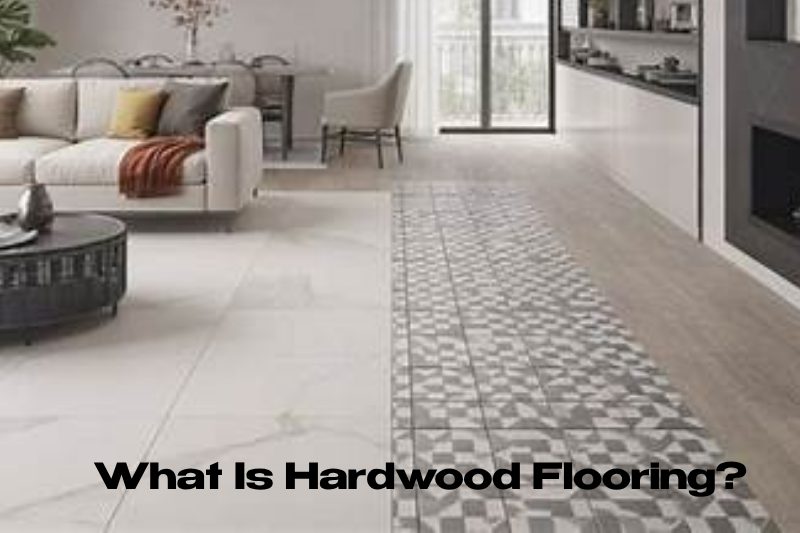
Hardwood flooring is made from natural wood harvested from trees such as oak, maple, cherry, walnut, and other species. It has been used in homes for centuries because of its classic appearance and long-lasting performance.
Each hardwood plank has a unique grain pattern, texture, and color variation, which gives every floor a natural and premium look. Hardwood can be installed as solid wood or engineered wood, depending on your needs and budget.
Solid hardwood is made from a single piece of natural wood, while engineered hardwood contains multiple layers with a real wood surface on top. Engineered hardwood is often more resistant to moisture and temperature changes.
Benefits of Hardwood Flooring
1. Timeless and Elegant Appearance
One of the biggest benefits of hardwood flooring is its natural beauty. Real wood creates a warm and sophisticated atmosphere that works well with many interior styles, from traditional to modern designs.
Unlike manufactured flooring, every hardwood floor has unique patterns and textures that make your home feel special.
2. Long Lifespan
Properly maintained hardwood flooring can last for several decades. Many hardwood floors remain beautiful for 50 years or more with regular care.
Because hardwood can be sanded and refinished multiple times, you can restore its original appearance instead of replacing the entire floor.
3. Can Increase Home Value
Many buyers consider hardwood flooring a desirable feature when purchasing a home. High-quality wood floors can improve the overall appeal of a property and may increase its resale value.
4. Natural and Environmentally Friendly Option
Hardwood is a natural material, and responsibly sourced wood can be an environmentally conscious flooring choice. Some homeowners prefer it because it does not contain synthetic materials commonly found in other flooring types.
5. Easy to Match With Interior Design
Hardwood comes in many species, colors, stains, and finishes. Whether you prefer a light, bright space or a darker, more luxurious appearance, there are many options available.
Drawbacks of Hardwood Flooring
1. Higher Cost
One of the biggest disadvantages of hardwood flooring is the price. Natural wood materials and professional installation can make hardwood more expensive than many other flooring options.
The cost can vary depending on the type of wood, finish, and installation method.
2. Sensitive to Moisture
Hardwood and water do not mix well. Excess moisture can cause wood floors to expand, warp, or develop damage.
Because of this, hardwood is usually not the first choice for bathrooms, laundry rooms, or areas with frequent spills.
3. Requires More Maintenance
Hardwood floors need proper care to maintain their appearance. Homeowners need to protect them from scratches, avoid excessive moisture, and occasionally refinish the surface.
4. Can Scratch and Dent
Although hardwood is durable, it can be damaged by pets, furniture movement, and heavy impact. Softer wood species are more likely to show scratches and dents over time.
What Is Vinyl Flooring?
Vinyl flooring is a synthetic flooring material made primarily from PVC and other components designed for durability and flexibility. Modern vinyl flooring is available in many styles, including designs that look like hardwood, stone, or ceramic tile.
Today’s vinyl flooring is much more advanced than older versions. Options such as luxury vinyl plank (LVP) and luxury vinyl tile (LVT) provide realistic textures and attractive designs.
Vinyl flooring usually consists of multiple layers, including a protective wear layer that helps resist scratches, stains, and daily damage.
Benefits of Vinyl Flooring
1. Affordable Flooring Option
One of the main advantages of vinyl flooring is its affordability. It provides an attractive appearance without the higher cost associated with natural hardwood.
For homeowners working with a limited budget, vinyl can deliver a stylish look at a lower price.
2. Water Resistance
Vinyl flooring performs very well in areas where moisture is common. Many vinyl options are water-resistant or waterproof, making them suitable for kitchens, bathrooms, basements, and laundry rooms.
3. Easy Maintenance
Vinyl flooring is simple to clean and maintain. Regular sweeping and occasional mopping are usually enough to keep it looking good.
Unlike hardwood, vinyl does not require refinishing or special treatments.
4. Durable for Busy Homes
Vinyl flooring is designed to handle everyday wear and tear. It is resistant to many common problems such as stains, scratches, and moisture damage.
This makes it a practical choice for families with children, pets, or high-traffic areas.
5. Comfortable Underfoot
Vinyl flooring has a softer surface compared to hardwood. Many homeowners find it more comfortable when standing for long periods, especially in kitchens.
Some vinyl products also include cushioning layers that improve comfort and reduce noise.
6. Wide Variety of Designs
Modern vinyl flooring comes in countless styles, colors, and patterns. You can find options that imitate:
- Oak hardwood
- Stone
- Marble
- Ceramic tile
- Decorative patterns
This makes it easy to match vinyl flooring with different interior designs.
Drawbacks of Vinyl Flooring
1. May Not Add as Much Home Value
Although high-quality vinyl can look attractive, many buyers still view real hardwood as a more premium flooring option.
If increasing resale value is your main goal, hardwood may have an advantage.
2. Cannot Usually Be Refinished
Unlike hardwood, damaged vinyl flooring cannot be sanded and refinished. If the surface becomes badly damaged, sections or the entire floor may need replacement.
3. Synthetic Material
Some homeowners prefer natural materials and may not like that vinyl is manufactured from synthetic materials.
4. Can Fade Over Time
Long exposure to direct sunlight may cause some vinyl floors to fade or lose color. Using window coverings and choosing quality products can help reduce this issue.
5. Lower Lifespan Compared to Hardwood
High-quality vinyl flooring can last many years, but it generally does not match the lifespan of properly maintained hardwood flooring.
Hardwood vs Vinyl Flooring: Durability Comparison
When comparing Hardwood vs Vinyl Flooring, durability depends on how and where the flooring is used.
Hardwood can last much longer when properly maintained, but it requires protection from moisture and scratches.
Vinyl is more resistant to daily challenges like spills, stains, and heavy traffic. It is often the better choice for busy households or moisture-prone areas.
Best choice for long-term lifespan: Hardwood
Best choice for everyday durability and easy care: Vinyl
Hardwood vs Vinyl Flooring: Cost Comparison
The cost difference between hardwood and vinyl can be significant.
Hardwood usually has a higher upfront cost because it uses natural materials and often requires professional installation. However, its long lifespan can make it a valuable long-term investment.
Vinyl flooring is generally more affordable and can provide a stylish appearance without a large financial commitment.
If you are focused on saving money during installation, vinyl may be the better option. If you are investing in premium flooring for long-term value, hardwood may be worth considering.
Hardwood vs Vinyl Flooring: Maintenance Comparison
Hardwood Maintenance
Hardwood requires:
- Regular sweeping or vacuuming
- Protection from water spills
- Furniture pads to prevent scratches
- Occasional refinishing
Vinyl Maintenance
Vinyl requires:
- Regular sweeping
- Simple mopping
- Basic cleaning products
- Minimal repairs
For homeowners who want a low-maintenance floor, vinyl is usually easier to manage.
Which Flooring Is Better for Different Areas?
Living Room
Hardwood creates a warm, elegant look that works beautifully in living spaces. Vinyl is also a good choice if you want a similar appearance with easier maintenance.
Bedroom
Both options work well. Hardwood offers a classic feel, while vinyl provides comfort and affordability.
Kitchen
Vinyl is often the preferred choice because it handles spills and moisture better.
Bathroom
Vinyl is usually the safer option because water exposure can damage traditional hardwood.
Basement
Vinyl is commonly recommended because basements can experience humidity and moisture issues.
You may also like to read these posts”
Ways to Improve Energy at Home
Hardwood vs Vinyl Flooring: Which One Should You Choose?
The best flooring choice depends on what matters most to you.
Choose hardwood flooring if you want:
- A natural and luxurious appearance
- Long-lasting value
- A flooring option that can be refinished
- A premium look for your home
Choose vinyl flooring if you want:
- A budget-friendly option
- Easy maintenance
- Water resistance
- Better performance in busy areas
Final Thoughts on Hardwood vs Vinyl Flooring
The debate between Hardwood vs Vinyl Flooring does not have one universal winner. Both flooring types offer excellent benefits, but they are designed for different needs.
Hardwood is ideal for homeowners who appreciate natural beauty, durability, and long-term value. Vinyl is a practical choice for those who want affordability, comfort, and easy maintenance.
Before making your final decision, consider your budget, lifestyle, room location, and how much maintenance you are willing to provide. The right flooring is the one that fits your home and makes your everyday life more comfortable.
Frequently Asked Questions About Hardwood vs Vinyl Flooring
1. Which is better, hardwood or vinyl flooring?
The better choice between hardwood and vinyl flooring depends on your needs and lifestyle. Hardwood offers a natural, luxurious appearance and can last for decades with proper care. Vinyl flooring is more affordable, easier to maintain, and more resistant to moisture. If you want premium beauty and long-term value, hardwood may be the better option. If you need a practical and budget-friendly floor, vinyl can be a great choice.
2. Is vinyl flooring cheaper than hardwood?
Yes, vinyl flooring is generally less expensive than hardwood. Vinyl usually has lower material and installation costs, making it a popular option for homeowners who want an attractive floor without a high budget. Hardwood costs more because it uses natural wood and often requires professional installation.
3. Does hardwood flooring last longer than vinyl flooring?
Yes, hardwood flooring typically has a longer lifespan than vinyl flooring. With proper maintenance, hardwood floors can last 50 years or more and can often be refinished multiple times. Vinyl flooring is durable but usually has a shorter lifespan compared to high-quality hardwood.
4. Is vinyl flooring waterproof?
Many modern vinyl flooring products are water-resistant or waterproof, especially luxury vinyl plank (LVP) and luxury vinyl tile (LVT). This makes vinyl a popular choice for kitchens, bathrooms, basements, and other areas where moisture may be present.
5. Can vinyl flooring look like real hardwood?
Yes, modern vinyl flooring can closely imitate the appearance of real wood. Advanced printing technology allows vinyl planks to copy wood grains, textures, and colors, making it difficult to distinguish from hardwood at first glance.