
Choosing new flooring for your home is an exciting project, but it can also feel overwhelming when you look at the costs involved. Flooring covers a large part of your living space, so the right choice can improve your home’s appearance, comfort, and value. However, many homeowners believe that stylish and durable flooring always comes with a high price tag.
The reality is different. Today, there are many budget-friendly flooring options that offer excellent appearance, durability, and functionality without requiring a huge investment. Whether you are renovating your bedroom, upgrading your kitchen, or refreshing your entire home, affordable flooring choices can help you achieve a beautiful result while staying within your budget.
In this guide, we will explore different types of budget-friendly flooring, their benefits and drawbacks, installation considerations, maintenance needs, and tips to help you make the best decision for your home.
What Is Budget-Friendly Flooring?
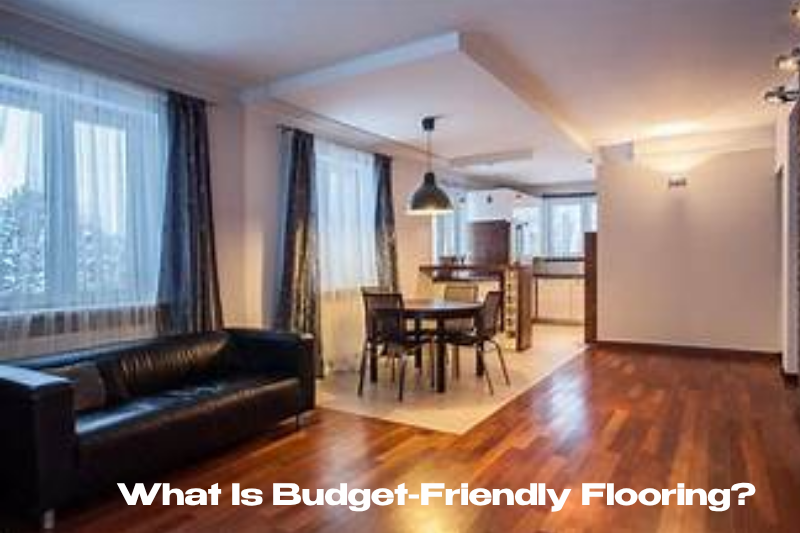
Budget-friendly flooring refers to flooring materials that provide a balance between affordability, quality, appearance, and performance. These flooring options are designed for homeowners who want attractive and practical floors without spending the same amount they would on luxury materials like solid hardwood, natural stone, or premium tiles.
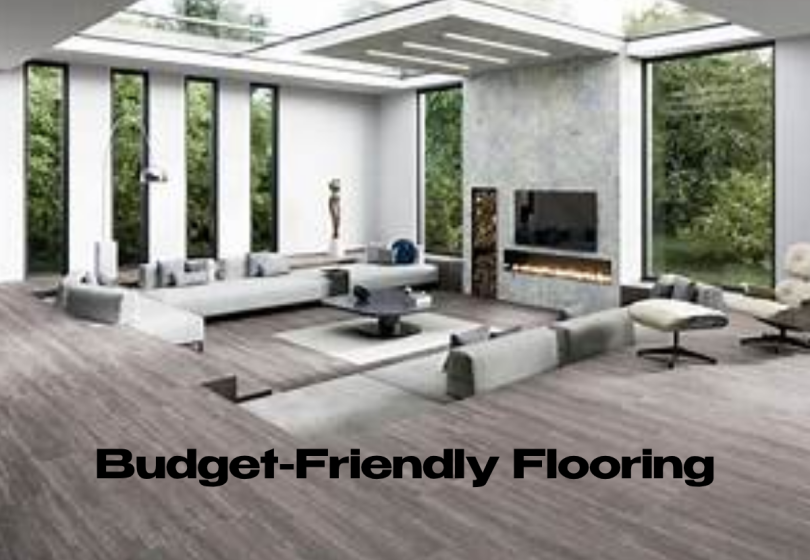
Affordable flooring does not mean you have to compromise on style. Modern manufacturing techniques allow flooring companies to create materials that look similar to expensive options while offering easier installation and lower costs.
For example, vinyl flooring can imitate the appearance of hardwood, laminate can create the look of natural wood, and ceramic tiles can provide an elegant stone-like finish at a much lower price.
Why Choose Budget-Friendly Flooring?
Investing in affordable flooring comes with many advantages. Here are some reasons why homeowners choose budget-friendly options:
1. Lower Renovation Costs
Flooring is often one of the most expensive parts of a home renovation. Choosing an affordable flooring option allows you to improve your home while keeping more money available for other projects.
You can use your savings for:
- New furniture
- Wall painting
- Home decorations
- Lighting upgrades
- Kitchen or bathroom improvements
2. Wide Range of Styles
Affordable flooring is no longer limited to basic designs. Today, you can find budget options in many colors, textures, and patterns.
Whether you prefer:
- Modern designs
- Classic wood appearances
- Minimalist styles
- Luxury-inspired finishes
there are affordable flooring choices to match your taste.
3. Easy Maintenance
Many budget flooring materials are designed for busy lifestyles. They require simple cleaning routines and do not need expensive treatments.
For many homeowners, easy maintenance is just as important as the initial cost.
4. Quick Installation Options
Some affordable flooring materials are designed for faster installation. This can reduce labor costs and allow you to complete your renovation project sooner.
Popular Types of Budget-Friendly Flooring
1. Vinyl Flooring
Vinyl flooring is one of the most popular choices for homeowners looking for affordable and practical flooring. It is available in sheets, tiles, and planks, with many designs that imitate wood, stone, and ceramic surfaces.
Benefits of Vinyl Flooring
Affordable Price:
Vinyl is usually cheaper than hardwood, stone, and many tile options.
Water Resistance:
Many vinyl products are resistant to moisture, making them suitable for kitchens, bathrooms, and laundry areas.
Comfortable Surface:
Vinyl feels softer and warmer underfoot compared to materials like ceramic tile.
Easy Cleaning:
Regular sweeping and occasional mopping are usually enough to keep vinyl floors looking good.
Variety of Designs:
Vinyl comes in countless patterns, allowing homeowners to achieve different interior styles.
Drawbacks of Vinyl Flooring
Can Be Damaged by Sharp Objects:
Heavy furniture, sharp items, or pet claws may scratch the surface.
Lower Resale Appeal:
Some buyers may prefer natural materials like hardwood over vinyl.
Difficult Repairs:
If a section becomes badly damaged, replacing it may require removing a larger area.
May Fade Over Time:
Long exposure to direct sunlight can affect some vinyl flooring colors.
2. Laminate Flooring
Laminate flooring is another excellent budget-friendly flooring choice. It is made from multiple layers that create a durable surface with a realistic wood or stone appearance.
Benefits of Laminate Flooring
Affordable Alternative to Hardwood:
Laminate provides the appearance of real wood at a fraction of the cost.
Scratch Resistance:
Many laminate floors have protective top layers that help prevent everyday damage.
Easy Installation:
Many laminate products use click-lock systems that make installation faster.
Stylish Appearance:
Modern laminate can closely resemble expensive hardwood flooring.
Low Maintenance:
It requires simple cleaning and does not need polishing like natural wood.
Drawbacks of Laminate Flooring
Not Completely Waterproof:
Traditional laminate can swell or become damaged when exposed to excessive moisture.
Cannot Usually Be Refinished:
Unlike hardwood, damaged laminate cannot typically be sanded and refinished.
Less Natural Feel:
Although it looks like wood, it may not feel exactly like real hardwood.
Noise Issues:
Without proper underlayment, laminate can create a hollow sound when walked on.
3. Carpet Flooring and Carpet Tiles
Carpet is a comfortable and affordable flooring option that works especially well in bedrooms, offices, and living spaces.
Benefits of Carpet Flooring
Comfortable and Warm:
Carpet provides a soft surface that feels comfortable during colder months.
Reduces Noise:
It helps absorb sound, making rooms feel quieter.
Many Design Options:
Carpets are available in different colors, patterns, and textures.
Affordable Choices Available:
Many carpet styles fit smaller budgets.
Drawbacks of Carpet Flooring
Requires Regular Cleaning:
Carpet can collect dust, dirt, and allergens.
Not Ideal for Wet Areas:
Moisture can cause stains, odors, and mold problems.
Can Wear Out in High-Traffic Areas:
Heavy foot traffic may flatten carpet fibers over time.
Stains Can Be Difficult to Remove:
Spills may require professional cleaning depending on the material.
4. Ceramic Tile Flooring
Ceramic tile is a durable flooring option that can also be affordable when choosing basic designs.
Benefits of Ceramic Tile
Long-Lasting:
Properly installed ceramic tile can last for many years.
Water Resistant:
It is a good option for bathrooms, kitchens, and entryways.
Easy Cleaning:
Tile surfaces are simple to maintain.
Many Design Choices:
Tiles come in different sizes, colors, and patterns.
Drawbacks of Ceramic Tile
Hard Surface:
Standing on tile for long periods can feel uncomfortable.
Cold Underfoot:
Tiles can feel cold during winter.
Installation Can Be Expensive:
Professional installation may increase the total cost.
Can Crack Under Heavy Impact:
A strong impact can damage individual tiles.
5. Engineered Wood Flooring
Engineered wood offers the beauty of real wood while being more affordable than solid hardwood.
Benefits of Engineered Wood Flooring
Natural Appearance:
It provides the authentic look of wood.
More Affordable Than Hardwood:
It allows homeowners to enjoy a premium appearance at a lower cost.
Better Moisture Resistance:
It handles humidity better than traditional hardwood.
Adds Home Value:
Wood-style flooring can improve the overall appeal of a home.
Drawbacks of Engineered Wood Flooring
More Expensive Than Vinyl or Laminate:
It may not fit the smallest budgets.
Limited Refinishing:
Some engineered wood products cannot be refinished many times.
Sensitive to Moisture:
Excessive water exposure can still cause damage.
How to Choose the Best Budget-Friendly Flooring
Choosing flooring is not only about finding the lowest price. Consider these important factors:
Consider Your Room’s Purpose
Different rooms require different flooring features.
For example:
- Kitchens need moisture-resistant flooring.
- Bedrooms may benefit from comfortable materials.
- Hallways need durable surfaces.
- Bathrooms require water-resistant options.
Think About Your Lifestyle
If you have children, pets, or high foot traffic, choose flooring that can handle daily wear and tear.
Check Installation Costs
The material price is only one part of the total expense. Consider:
- Labor costs
- Underlayment
- Removal of old flooring
- Additional materials
Choose Long-Term Value
A slightly more expensive floor may save money in the future if it lasts longer and requires fewer repairs.
Tips for Saving Money on Flooring
Here are some practical ways to reduce your flooring expenses:
- Compare prices from multiple suppliers.
- Buy during sales or clearance periods.
- Install flooring yourself if you have experience.
- Choose standard sizes instead of custom designs.
- Purchase extra material for future repairs.
- Focus on replacing damaged areas instead of the entire home.
You may also like to read these posts:
Ways to Improve Energy at Home
Common Mistakes When Buying Budget-Friendly Flooring
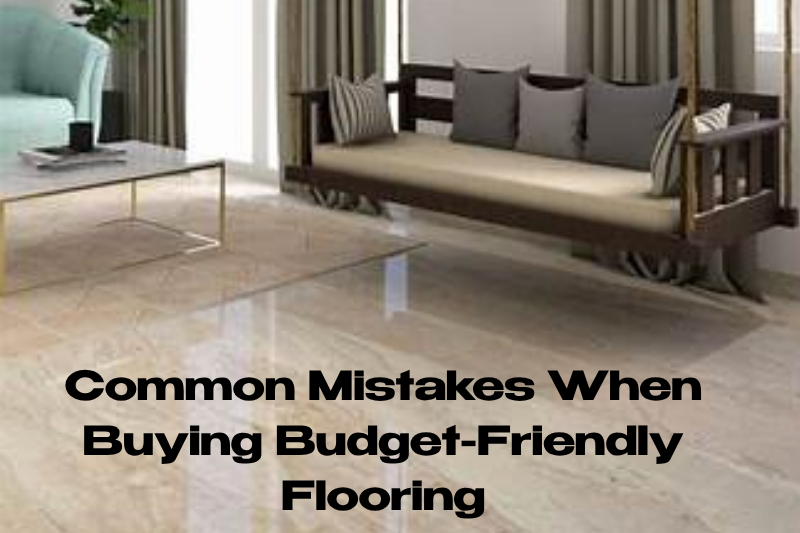
Choosing Only the Cheapest Option
The lowest price does not always mean the best value. Consider durability and maintenance costs before deciding.
Ignoring Your Home Environment
A flooring type that works well in one room may not work well in another. Always consider moisture, traffic, and usage.
Forgetting Installation Requirements
Some materials require professional installation, which can increase your overall budget.
Not Checking Quality
Always check product reviews, warranties, and material quality before making a purchase.
Final Thoughts
Finding the right budget-friendly flooring does not mean sacrificing beauty or quality. With options like vinyl, laminate, carpet, ceramic tile, and engineered wood, homeowners have many affordable ways to improve their spaces.
Each flooring type has its own benefits and drawbacks, so the best choice depends on your budget, lifestyle, room requirements, and personal style. By comparing your options carefully and considering long-term value, you can select flooring that looks great, performs well, and fits comfortably within your budget.
Frequently Asked Questions (FAQs) About Budget-Friendly Flooring
1. What is the most affordable type of flooring?
The most affordable flooring options usually include vinyl, laminate, and carpet tiles. These materials provide a stylish appearance, durability, and easy maintenance at a lower cost compared to hardwood, natural stone, or luxury flooring options.
2. Is budget-friendly flooring durable?
Yes, many budget-friendly flooring options are highly durable when chosen correctly. Vinyl, laminate, and ceramic tile can last for many years with proper care and maintenance. The durability depends on the material quality, installation method, and how much daily use the floor receives.
3. What is the best budget-friendly flooring for high-traffic areas?
For areas with heavy foot traffic, such as hallways, living rooms, and entryways, laminate, vinyl plank, and ceramic tile are excellent choices. These options are designed to handle regular wear and are easier to maintain.
4. Is vinyl flooring better than laminate flooring?
Both vinyl and laminate flooring have their own advantages. Vinyl flooring is better for areas exposed to moisture because many options are water-resistant. Laminate flooring is a great choice if you want a realistic wood appearance and scratch resistance. The best option depends on your room requirements and lifestyle.
5. Can affordable flooring look expensive?
Yes, modern budget-friendly flooring can create a high-end appearance without a high price tag. Many vinyl and laminate products are designed to closely resemble hardwood, stone, and other premium materials.
.