
Home improvement is no longer only about making a house look beautiful. Today, people want homes that feel comfortable, practical, energy-efficient, stylish, and easy to live in. That is why the Top Home Improvement Trends are focused on both beauty and function.
Think about it this way: a good home upgrade should not only impress guests. It should also make your daily life easier. It should help you save time, reduce stress, use space better, and maybe even increase the value of your property.
Whether you are planning a full renovation or just want to refresh one room, understanding the Top Home Improvement Trends can help you make better choices. Some trends are perfect for long-term value, while others may look attractive but come with extra cost, maintenance, or planning challenges.
In this article, we will discuss the most important Top Home Improvement Trends, their benefits, their drawbacks, and how you can use them wisely in your own home.
1. Warm and Natural Interior Design
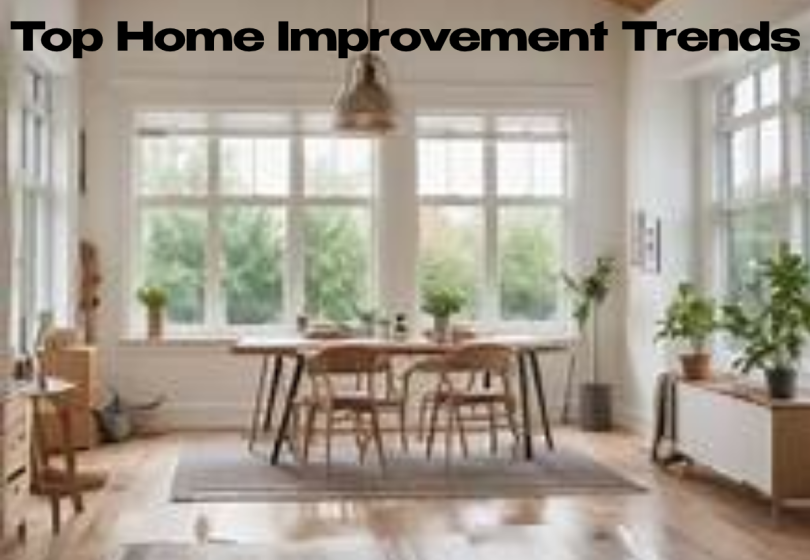
One of the biggest Top Home Improvement Trends is the shift toward warm, natural, and relaxing interiors. For many years, plain white walls, cool gray tones, and minimal decoration were very popular. They looked clean, but many people started feeling that these spaces were too cold, empty, and impersonal.
Now, homeowners are choosing warmer colors and natural materials. Shades like cream, beige, soft brown, olive green, terracotta, warm white, and clay tones are becoming more popular. Materials like wood, stone, linen, cotton, bamboo, rattan, and ceramic are also being used more often.
This trend is about making your home feel calm, cozy, and welcoming. Instead of a showroom-style space, people want a home that feels real and comfortable.
You can follow this trend by adding wooden furniture, natural fabric curtains, woven baskets, indoor plants, stone-style decor, or warm lighting. You do not need to renovate the whole house. Even small touches can change the mood of a room.
Benefits
Warm and natural interiors make your home feel more comfortable and relaxing. These colors are easy to live with and usually do not go out of style quickly. Natural materials also add texture, which makes a room feel richer and more complete.
Another benefit is flexibility. Warm neutral colors work well with many furniture styles. You can use them in modern, traditional, rustic, or minimal homes.
Drawbacks
Natural materials can sometimes be expensive. Real wood, stone, and high-quality fabrics may cost more than synthetic alternatives. They may also need more care. For example, wooden surfaces can scratch, and natural fabrics may stain more easily.
Another drawback is that too many brown or beige tones can make a room look dull if you do not balance them with good lighting, contrast, or decorative details.
Smart Tip
Use natural materials in small but visible places first. Start with wooden shelves, a jute rug, linen cushions, or a warm wall color. This gives your home a fresh look without a huge budget.
2. Smart Home Technology
Smart home technology is one of the most practical Top Home Improvement Trends because it makes daily life easier. Homeowners are using smart devices to control lighting, security, temperature, appliances, and even cleaning systems.
Smart lights, video doorbells, security cameras, smart locks, smart thermostats, voice assistants, motion sensors, and smart plugs are becoming common in modern homes.
The goal of smart home technology is convenience. Imagine turning off lights from your phone, checking your front door while you are away, or adjusting your home temperature automatically. These upgrades can save time and improve comfort.
Benefits
Smart home devices can make your home more secure, more comfortable, and more efficient. A smart doorbell can help you see who is outside. Smart lighting can reduce wasted electricity. A smart thermostat can help manage heating and cooling more efficiently.
Smart devices are also useful for elderly family members or people with mobility issues because they reduce the need to move around for basic tasks.
Drawbacks
Smart technology can be expensive if you install many devices at once. It can also create privacy and security concerns if devices are not protected properly. Weak passwords, outdated apps, or unsafe Wi-Fi networks can create risks.
Another drawback is dependency on internet connectivity. If your internet is down, some devices may not work properly.
Smart Tip
Start with simple smart devices like smart bulbs, smart plugs, or a video doorbell. Use strong passwords, update your devices regularly, and avoid buying very cheap devices from unknown brands.
3. Energy-Efficient Home Upgrades
Energy efficiency is one of the most important Top Home Improvement Trends because it helps reduce monthly bills and makes your home more comfortable. Many homeowners are now thinking carefully about electricity, heating, cooling, water use, and insulation.
Popular energy-efficient upgrades include LED lighting, smart thermostats, energy-saving appliances, better insulation, double-glazed windows, solar panels, water-saving taps, and efficient heating or cooling systems.
This trend is not just about saving money. It is also about using resources wisely and creating a more sustainable home.
Benefits
Energy-efficient upgrades can reduce utility bills over time. They can also make your home more comfortable by keeping rooms warmer in winter and cooler in summer. Some upgrades, like insulation and better windows, can also reduce outside noise.
Energy-efficient homes may also be more attractive to buyers because many people now prefer homes with lower running costs.
Drawbacks
The main drawback is the upfront cost. Solar panels, new windows, insulation, and efficient appliances can be expensive at the beginning. Some upgrades may take years to fully recover their cost through savings.
Another issue is poor installation. If insulation, windows, or solar systems are not installed correctly, you may not get the expected benefits.
Smart Tip
Start with affordable upgrades first. Replace old bulbs with LED lights, seal gaps around doors and windows, use energy-saving appliances, and improve ventilation. Then plan bigger upgrades when your budget allows.
4. Multi-Functional Rooms
Modern homes need to do more than before. A room may need to work as a bedroom, office, study area, workout corner, guest room, or hobby space. That is why multi-functional rooms are one of the most useful Top Home Improvement Trends.
This trend is especially helpful for small homes, apartments, and families who need flexible spaces. Instead of creating separate rooms for everything, you can design one room to serve multiple purposes.
For example, a guest room can also become a home office. A living room can include hidden storage and a small work desk. A dining area can include built-in cabinets. A bedroom can include a reading corner or study space.
Benefits
Multi-functional rooms help you use space better. They make small homes feel more practical and organized. They also reduce the need for extra rooms, which can save money.
This trend is great for people who work from home, students, families, and anyone who wants more flexibility.
Drawbacks
The biggest drawback is that a multi-functional room can become messy if it is not planned well. If one room has too many purposes, it may feel crowded or confusing.
Furniture for multi-purpose spaces can also be expensive. Sofa beds, foldable desks, storage beds, and custom cabinets may cost more than regular furniture.
Smart Tip
Choose one main purpose and one secondary purpose for each room. For example, “guest room plus office” works well. But “guest room plus gym plus storage plus office” may become too much.
5. Timeless Kitchen Renovations
The kitchen is one of the most valuable areas of the home, and it remains a major focus in the Top Home Improvement Trends. However, people are now moving away from overly trendy kitchen designs and choosing timeless, practical kitchens.
A timeless kitchen usually includes simple cabinets, durable countertops, good lighting, quality hardware, easy-clean surfaces, and smart storage. Warm wood, soft neutral colors, stone-style surfaces, and classic backsplashes are popular choices.
A kitchen should look good, but it must also be easy to cook in, clean, and organize.
Benefits
A well-designed kitchen can improve daily life and increase home value. Better storage makes cooking easier. Good lighting improves safety. Durable surfaces reduce maintenance.
Timeless kitchen designs also age better. If you choose simple colors and good materials, your kitchen is less likely to look outdated quickly.
Drawbacks
Kitchen renovations can be expensive. Cabinets, countertops, plumbing, lighting, and appliances can quickly increase the budget. A full kitchen remodel can also disturb your daily routine because cooking becomes difficult during renovation.
Another drawback is following trends too strongly. Very bold cabinet colors or unusual designs may look exciting now but may not feel right after a few years.
Smart Tip
Spend more on the parts you use daily, such as cabinets, countertops, lighting, and storage. Keep the main design timeless, and use smaller items like rugs, handles, decor, and wall color to add personality.
6. Spa-Like Bathrooms
Bathrooms are no longer treated as simple utility spaces. One of the most popular Top Home Improvement Trends is creating spa-like bathrooms that feel peaceful, fresh, and relaxing.
A spa-like bathroom can include warm lighting, rainfall showers, walk-in showers, floating vanities, large mirrors, natural textures, soft towels, plants, and clean storage. Neutral colors and simple designs are often used to create a calm feeling.
You do not need a luxury bathroom to enjoy this trend. Even small improvements can make your bathroom feel more relaxing.
Benefits
A spa-like bathroom can make your daily routine more enjoyable. It can help you feel relaxed in the morning and evening. Clean storage and better lighting also make the bathroom more practical.
Bathroom improvements can also add value to a home because buyers often pay attention to kitchens and bathrooms.
Drawbacks
Bathroom renovations can become costly because they often involve plumbing, waterproofing, tiles, and electrical work. Poor installation can cause serious problems like leaks, mold, or water damage.
Some spa-style features also need regular cleaning. Glass shower screens, stone surfaces, and open shelves can look beautiful but may require more maintenance.
Smart Tip
Focus on comfort and cleanliness first. Add better lighting, a modern mirror, matching storage containers, soft towels, and a clean color palette before spending money on major renovation.
7. Outdoor Living Spaces
Outdoor living spaces are one of the most enjoyable Top Home Improvement Trends. Homeowners are using patios, balconies, gardens, rooftops, and backyards as extra living areas.
An outdoor space can become a relaxing corner, dining area, family gathering spot, small garden, or entertainment zone. You can add seating, plants, outdoor lights, privacy screens, rugs, pergolas, or a fire pit depending on your space and budget.
Even a small balcony can feel special with the right design.
Benefits
Outdoor spaces give you more usable area without building a full room. They are great for relaxation, family time, and entertaining guests. Spending time outdoors can also make your home feel more open and refreshing.
A well-designed outdoor area can improve the overall appearance and value of your property.
Drawbacks
Outdoor improvements depend on weather. Rain, heat, dust, wind, and sunlight can damage furniture and materials. Outdoor spaces also need maintenance, especially if you add plants, grass, wood, or lighting.
Privacy can also be a challenge in apartments or homes close to neighbors.
Smart Tip
Use weather-resistant furniture and low-maintenance plants. If your budget is limited, start with seating, lights, and a few planters. These small upgrades can create a big change.
8. Better Storage and Organization
Storage is one of the most practical Top Home Improvement Trends because every home needs it. A beautiful room can quickly feel stressful if there is clutter everywhere.
Modern storage solutions include built-in cabinets, pantry organizers, under-bed storage, floating shelves, storage benches, drawer dividers, wall-mounted units, and hidden storage furniture.
The goal is not only to hide things. Good storage makes your home easier to use because everything has a proper place.
Benefits
Better storage makes your home feel cleaner, larger, and calmer. It saves time because you can find things easily. It also helps protect your belongings from damage.
Good storage is especially useful for families, small homes, rental apartments, and busy households.
Drawbacks
Custom storage can be expensive. Built-in cabinets and fitted wardrobes may cost more than ready-made furniture. If not planned properly, storage can also make a room feel heavy or crowded.
Another drawback is that storage does not solve everything. If you keep too many unnecessary items, even the best storage will eventually become full.
Smart Tip
Before buying storage, remove items you no longer need. Then add storage based on your real lifestyle. Place storage where clutter naturally happens, such as entryways, kitchens, bedrooms, and living rooms.
9. Personalized Home Decor
Personalized design is one of the most meaningful Top Home Improvement Trends. People no longer want homes that look exactly like social media pictures. They want homes that reflect their personality, memories, culture, and lifestyle.
This can include family photos, handmade items, books, artwork, vintage furniture, travel souvenirs, cultural patterns, favorite colors, or meaningful decorations.
A personal home feels warm and real. It tells your story instead of looking like a hotel room.
Benefits
Personalized decor makes your home feel unique and emotionally meaningful. It can make you feel more connected to your space. It also gives your home character, which is something expensive furniture alone cannot create.
This trend is also budget-friendly because personal items, old furniture, and handmade decor can be used beautifully.
Drawbacks
Too much personal decor can make a home feel cluttered. If every wall, shelf, and table is full, the space may feel messy instead of stylish.
Another drawback is resale value. Very personal or unusual designs may not appeal to future buyers if you plan to sell your home.
Smart Tip
Create balance. Display meaningful items, but leave some empty space too. Use personal decor in a clean and organized way so your home feels warm, not crowded.
10. Healthy Home Improvements
Healthy living is becoming an important part of the Top Home Improvement Trends. People are paying more attention to indoor air quality, natural light, ventilation, low-toxin materials, and cleaner home environments.
Healthy home upgrades can include air purifiers, better ventilation, low-VOC paint, indoor plants, natural fabrics, water filters, improved sunlight, and mold prevention.
A healthy home is not only about appearance. It is about how your home affects your body, mood, sleep, and comfort.
Benefits
Healthy home improvements can make your living environment feel fresher and more comfortable. Better ventilation can reduce stale air. Natural light can improve the mood of a room. Low-toxin materials can be better for sensitive people.
These upgrades are especially useful for families with children, elderly people, or anyone who spends a lot of time indoors.
Drawbacks
Some healthy home products can be expensive, and not all products are equally effective. Air purifiers need filter changes. Plants need care. Water filters need maintenance. Low-toxin materials may cost more than regular options.
Another drawback is that some people buy products without solving the root problem. For example, an air purifier may help, but if the room has mold or poor ventilation, the main issue still needs fixing.
Smart Tip
Start with basics: clean regularly, improve airflow, prevent moisture, open windows when possible, and use safer paints or materials during renovations.
11. Durable and Easy-Clean Materials
Busy homeowners want homes that look good but are also easy to maintain. That is why durable and easy-clean materials are one of the most sensible Top Home Improvement Trends.
Popular choices include washable wall paint, scratch-resistant flooring, stain-resistant fabrics, easy-clean tiles, quartz-style countertops, and durable outdoor materials.
This trend is perfect for families, pet owners, rental properties, and anyone who wants a beautiful home without constant maintenance.
Benefits
Durable materials save time and reduce stress. They can handle daily use better and often last longer. Easy-clean surfaces also help your home stay fresh with less effort.
This trend is practical because it focuses on real life, not just design photos.
Drawbacks
High-quality durable materials may cost more at first. Some materials may look less natural than real wood or stone. Also, “easy-clean” does not mean “no maintenance.” Every material still needs proper care.
Another issue is choosing materials only for durability and forgetting style. A home should be practical, but it should still feel warm and attractive.
Smart Tip
Use durable materials in high-use areas like kitchens, bathrooms, entryways, and living rooms. You can use softer, more delicate materials in low-traffic spaces like guest rooms.
12. Improved Lighting Design
Lighting is one of the most powerful Top Home Improvement Trends because it can completely change how your home looks and feels. A room with poor lighting can feel dull, even if the furniture is expensive.
Modern lighting design uses layers. Instead of depending on one ceiling light, homeowners are using a mix of ceiling lights, wall lights, floor lamps, table lamps, under-cabinet lighting, and accent lights.
Warm lighting can make bedrooms and living rooms feel cozy. Bright task lighting is useful in kitchens, offices, and bathrooms.
Benefits
Good lighting improves mood, comfort, and functionality. It can make small rooms feel larger and dark rooms feel more welcoming. It also helps highlight beautiful features like artwork, shelves, walls, and furniture.
Lighting upgrades can be affordable compared to major renovations.
Drawbacks
Poor lighting choices can create glare, shadows, or an uncomfortable atmosphere. Too many lights can make a room feel harsh. Electrical work may also require professional help, which adds cost.
Another drawback is choosing decorative lights that look good but do not provide enough brightness.
Smart Tip
Use three types of lighting: general lighting, task lighting, and accent lighting. Also, choose warm light for relaxing spaces and brighter light for work areas.
You may also like to read these posts:
Affordable Home Improvement Ideas
Ways to Improve Energy at Home
13. Home Office Improvements
Home office design became popular because more people started working, studying, or managing business from home. It remains one of the most useful Top Home Improvement Trends because a proper workspace can improve focus and productivity.
A good home office does not need to be a separate room. It can be a corner of a bedroom, living room, hallway, or guest room. What matters is comfort, lighting, storage, and privacy.
Benefits
A proper home office helps you work more comfortably. It can reduce distractions and improve posture if you use a good chair and desk. It also helps separate work life from home life.
For students and freelancers, a good workspace can make daily tasks easier and more organized.
Drawbacks
Not every home has enough space for a dedicated office. If the workspace is placed in a busy area, noise and distractions can become a problem.
Another drawback is cost. A good chair, desk, lighting, shelves, and equipment can add up.
Smart Tip
Choose a quiet corner, use a comfortable chair, add task lighting, and keep the area organized. Even a small workspace can be effective if it is planned well.
14. Aging-in-Place and Accessible Design
Aging-in-place design is one of the smartest Top Home Improvement Trends because it focuses on long-term comfort and safety. It means designing a home that remains easy to use as people get older or if someone has mobility challenges.
This can include non-slip flooring, walk-in showers, wider doorways, better lighting, easy-to-reach cabinets, grab bars, lever-style handles, and fewer steps.
The good thing is that accessible design can still look stylish. It does not have to look like a hospital or clinic.
Benefits
Accessible design makes a home safer and more comfortable for everyone. It helps older adults, children, guests, and people recovering from injury. It can also make your home more future-ready.
These upgrades can reduce the risk of slips, falls, and daily discomfort.
Drawbacks
Some accessibility upgrades require planning and renovation. Widening doorways, changing bathrooms, or adjusting floor levels can be expensive.
Another drawback is that some people ignore this trend because they think they do not need it yet. But planning early is usually easier than making changes after a problem occurs.
Smart Tip
Start with simple safety upgrades like better lighting, non-slip mats, easy handles, and clutter-free walkways. Bigger changes can be added during future renovations.
15. Budget-Friendly Cosmetic Updates
Not every home improvement project needs to be expensive. Budget-friendly updates are one of the most popular Top Home Improvement Trends because they allow homeowners to refresh their spaces without major renovation.
These updates include repainting walls, changing curtains, replacing cabinet handles, adding mirrors, updating light fixtures, using peel-and-stick wallpaper, styling shelves, adding plants, and changing bedding.
Small changes can make a room feel fresh, clean, and new.
Benefits
Budget-friendly updates are affordable, quick, and easy to change later. They are great for renters, first-time homeowners, or anyone who wants improvement without a big project.
They also allow you to test a style before investing in a major renovation.
Drawbacks
Cosmetic updates may not solve deeper problems. For example, painting a wall will not fix moisture damage, poor layout, or bad wiring. Cheap materials may also wear out quickly.
Another drawback is doing too many small updates without a clear plan. This can make your home look mismatched.
Smart Tip
Choose one room at a time and make a simple plan before buying anything. Focus on paint, lighting, storage, and textiles because these usually create the biggest visual change.
16. Sustainable and Eco-Friendly Choices
Sustainability is one of the most important Top Home Improvement Trends because homeowners are becoming more conscious of waste, materials, and long-term impact.
Eco-friendly choices can include recycled materials, secondhand furniture, energy-efficient appliances, water-saving fixtures, bamboo flooring, reclaimed wood, natural fabrics, and durable products that last longer.
This trend is not about buying everything new. In fact, one of the best sustainable choices is using what you already have in a better way.
Benefits
Sustainable improvements can reduce waste and help create a healthier home. Durable materials can save money in the long run because they do not need to be replaced quickly.
Secondhand or vintage pieces can also add character and uniqueness to your home.
Drawbacks
Some eco-friendly products can be expensive or difficult to find. It can also be hard to know which products are genuinely sustainable and which are only marketed that way.
Another drawback is that sustainable materials may need special care. For example, reclaimed wood may require sealing or maintenance.
Smart Tip
Buy less but buy better. Choose durable items, repair when possible, reuse furniture, and avoid low-quality products that need replacing quickly.
How to Choose the Right Home Improvement Trend
Not every trend is right for every home. Before choosing any upgrade, ask yourself a few simple questions.
Will this make my home more comfortable?
Will this improve daily life?
Will this fit my budget?
Will it be easy to maintain?
Will I still like it after a few years?
Will it increase the value or usefulness of my home?
The best Top Home Improvement Trends are the ones that match your lifestyle. A smart home system may be perfect for one family, while better storage may be more important for another. A spa-like bathroom may be worth it for someone who wants relaxation, while energy efficiency may be the priority for someone who wants lower bills.
Home improvement should not be about copying what everyone else is doing. It should be about making your home better for you.
Final Thoughts
The Top Home Improvement Trends show that people want homes that are beautiful, practical, comfortable, and future-ready. Warm interiors, smart technology, energy-efficient upgrades, better storage, spa-like bathrooms, outdoor living spaces, healthy materials, and personalized decor are all popular because they improve real life.
However, every trend has benefits and drawbacks. Some upgrades cost more. Some require maintenance. Some need professional installation. Others may not fit your lifestyle or budget.
The smartest approach is to start with the improvements that solve your biggest problems first. If your home feels cluttered, focus on storage. If your bills are high, focus on energy efficiency. If your rooms feel cold, add warmth with color, lighting, and natural materials. If your home feels outdated, start with small cosmetic updates.
At the end of the day, a good home is not just a stylish home. It is a place where you feel comfortable, relaxed, safe, and happy. That is the real purpose of following the Top Home Improvement Trends.
FAQs About Top Home Improvement Trends
1. What are the Top Home Improvement Trends right now?
The Top Home Improvement Trends include warm natural interiors, smart home technology, energy-efficient upgrades, spa-like bathrooms, better storage, outdoor living spaces, and multi-functional rooms. These trends focus on making homes more comfortable, practical, and valuable.
2. Which home improvement trend adds the most value?
Kitchen and bathroom upgrades usually add strong value because buyers pay close attention to these areas. Energy-efficient improvements, better storage, and outdoor living spaces can also increase a home’s value when done properly.
3. Are smart home upgrades worth it?
Yes, smart home upgrades can be worth it if they make your daily life easier. Smart lights, security cameras, video doorbells, and smart thermostats can improve comfort, safety, and energy use. However, you should choose reliable devices and protect them with strong passwords.
4. What is the most budget-friendly home improvement trend?
Painting walls, changing lighting, adding storage, updating cabinet handles, using mirrors, and adding plants are some of the most budget-friendly trends. These small changes can refresh your home without a major renovation.
5. How can I make my home look modern without spending too much?
You can make your home look modern by using warm neutral colors, improving lighting, reducing clutter, adding natural textures, and updating old fixtures. Even simple changes like new curtains, cushions, rugs, and wall decor can make a big difference.