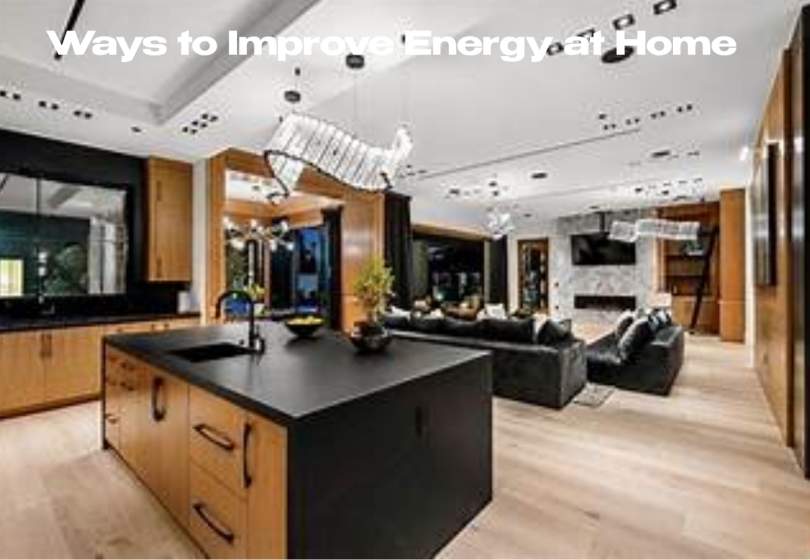

Your home should be the place where you feel relaxed, comfortable, and refreshed. But sometimes, a home can feel dull, stressful, expensive to maintain, or full of wasted electricity. That is why learning the best ways to improve energy at home is so useful.
When we say “energy at home,” we can look at it in two simple ways. First, it means improving your home’s energy efficiency so you use less electricity, reduce bills, and avoid waste. Second, it also means improving the feeling of your home so it feels fresh, bright, peaceful, and positive.
The good thing is that you do not always need a big budget or a complete renovation. Small changes can make a big difference. Simple habits like using natural light, switching off unused devices, improving airflow, adding plants, and keeping your home clean can improve both your electricity use and the overall mood of your living space.
In this article, we will discuss practical ways to improve energy at home, along with their benefits and possible drawbacks, so you can choose what works best for your lifestyle and budget.
1. Use Natural Light During the Day
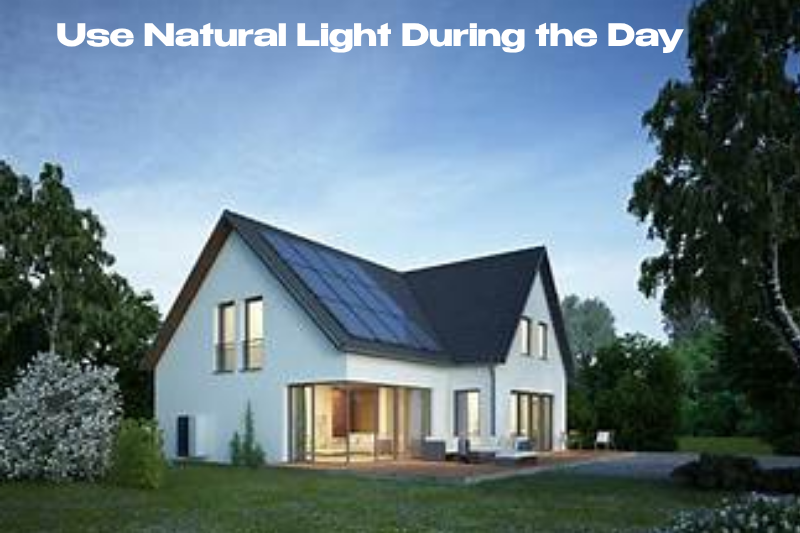
One of the easiest ways to improve energy at home is to use more natural light. Sunlight makes your home feel open, fresh, and welcoming. It also helps reduce the need for artificial lighting during the daytime.
You can start by opening curtains and blinds every morning. Keep windows clean so light can enter easily. If your room is dark, use light-colored curtains instead of heavy dark ones. You can also place mirrors near windows to reflect sunlight around the room.
Natural light is especially helpful in living rooms, kitchens, study areas, and workspaces. A bright room usually feels more active and positive than a dark, closed room.
Benefits
Using natural light can reduce electricity usage during the day. It also improves the appearance of your home and can make small rooms feel bigger. Sunlight may also help improve mood and create a more cheerful environment.
Drawbacks
Too much direct sunlight can make your home hot, especially in summer. It can also fade furniture, curtains, carpets, or wall paint over time. To manage this, use light curtains, blinds, or window films to control strong sunlight.
2. Switch to LED Bulbs
If you are still using old bulbs, switching to LED bulbs is a smart and simple upgrade. LED bulbs use much less electricity compared to traditional bulbs and usually last much longer.
You can use warm white LED bulbs in bedrooms and living rooms because they create a cozy feeling. For kitchens, bathrooms, study rooms, and offices, bright white or daylight LED bulbs are better because they help you see clearly and stay focused.
This is one of the most affordable ways to improve energy at home because it gives quick results without requiring major changes.
Benefits
LED bulbs help lower electricity bills. They also last longer, so you do not need to replace them again and again. They are available in many designs, brightness levels, and colors, which makes them suitable for almost every room.
Drawbacks
Good-quality LED bulbs can cost more than regular bulbs at first. Some cheap LED bulbs may flicker, produce harsh light, or stop working early. That is why it is better to buy reliable brands instead of choosing the cheapest option.
3. Unplug Devices When You Are Not Using Them
Many people leave chargers, televisions, laptops, Wi-Fi devices, gaming consoles, and kitchen appliances plugged in all the time. Even when these devices are not actively being used, some of them can still consume electricity.
This is often called standby power. It may not look like a big issue, but if many devices stay plugged in every day, the wasted electricity can add up over time.
Make a simple habit of unplugging chargers after use. Switch off extension boards at night. Turn off appliances completely instead of leaving them on standby mode.
Benefits
Unplugging unused devices helps reduce unnecessary electricity use. It may also protect devices from power surges. This habit is free and easy to follow, so anyone can start immediately.
Drawbacks
It can feel inconvenient to plug and unplug devices again and again. Some devices, like Wi-Fi routers or smart home systems, may need to stay connected. A practical solution is to use power strips with switches so you can turn off multiple devices at once.
4. Improve Ventilation and Airflow
Fresh air can completely change the feeling of your home. If a room feels heavy, closed, or uncomfortable, poor airflow may be one reason.
Open windows for some time every day to let fresh air come in. Use exhaust fans in kitchens and bathrooms to remove heat, smoke, moisture, and odors. Keep doors open between rooms when possible so air can move naturally.
Good ventilation is one of the most underrated ways to improve energy at home. It makes your house feel fresher and can reduce the need for fans or air conditioning in mild weather.
Benefits
Better airflow improves indoor comfort and helps remove stale air. It can reduce bad smells and moisture buildup. A well-ventilated home also feels cleaner, lighter, and more comfortable.
Drawbacks
Opening windows may bring in dust, noise, insects, or outdoor pollution. In very hot or cold weather, too much ventilation can make indoor temperature harder to control. You can manage this by opening windows at the right time, such as early morning or evening.
5. Keep Your Home Clean and Organized
A messy home can feel stressful and tiring. When things are scattered everywhere, your mind may also feel busy and restless. A clean and organized home feels lighter, calmer, and more positive.
Start small. Clean one table, one drawer, one shelf, or one corner at a time. Do not try to organize the whole house in one day. Remove items you no longer use. Keep daily-use items in easy-to-reach places.
Decluttering is not only about making your home look nice. It also improves movement, comfort, and mental peace.
Benefits
A clean home feels more peaceful and welcoming. It becomes easier to find things, clean rooms, and maintain a healthy environment. Decluttering can also improve your mood and help you feel more in control of your space.
Drawbacks
Cleaning and organizing take time and effort. If you have many unused items, deciding what to keep and what to remove can feel difficult. The best approach is to do it step by step instead of forcing yourself to finish everything quickly.
6. Add Indoor Plants
Indoor plants are a simple way to add freshness and life to your home. They bring natural beauty into your space and make rooms feel more relaxing.
You can choose easy-care plants like money plant, snake plant, aloe vera, peace lily, or spider plant. Place them near windows, in corners, on shelves, or on your work desk.
Plants are one of the most attractive ways to improve energy at home because they improve the look and feel of your space without major expense.
Benefits
Indoor plants make your home look fresh, natural, and peaceful. They can improve the overall atmosphere of a room and create a calming effect. Plants also work well as affordable home decor.
Drawbacks
Plants need care. Some need sunlight, watering, and proper placement. If you overwater them, they may die or attract insects. Some plants may also be unsafe for pets, so you should choose carefully if you have cats or dogs.
7. Use Energy-Efficient Appliances
Old appliances often use more electricity than modern energy-efficient models. If you use an old refrigerator, air conditioner, washing machine, or fan, it may be increasing your energy bills.
When buying new appliances, look for energy-saving labels or ratings. Choose appliances that match your actual needs. For example, do not buy a very large refrigerator if your household does not need it.
You do not have to replace all appliances at once. Start with the ones you use most often.
Benefits
Energy-efficient appliances can reduce electricity bills in the long run. They usually perform better and may have modern features. They can also reduce unnecessary energy waste.
Drawbacks
Energy-efficient appliances can be expensive at the time of purchase. It may take months or years to recover the cost through savings. Also, not every product labeled as energy-saving performs equally well, so you should compare before buying.
8. Seal Gaps Around Doors and Windows
If cool air escapes in summer or warm air escapes in winter, your home becomes harder to maintain. Your air conditioner, heater, or fan has to work harder, which increases energy use.
Check your doors and windows for gaps. You can use weather strips, sealing tape, silicone sealant, or door draft stoppers to reduce air leakage.
This is one of the practical ways to improve energy at home, especially if you use heating or cooling systems regularly.
Benefits
Sealing gaps helps maintain indoor temperature. It can reduce pressure on cooling and heating systems and improve comfort. It may also help keep dust and insects outside.
Drawbacks
If you seal your home too tightly without proper ventilation, indoor air may become stale. Some sealing work may also require tools or professional help. The best solution is to seal major gaps while still allowing controlled airflow.
9. Use Curtains and Blinds Smartly
Curtains and blinds do more than decorate your home. They help control sunlight, heat, privacy, and indoor comfort.
During hot afternoons, close curtains to block strong sunlight and reduce heat. In winter, open curtains during sunny hours to bring warmth inside. At night, close them to keep the room more comfortable.
Thick curtains can help with insulation, while light curtains can make a room feel airy and bright.
Benefits
Curtains and blinds help control temperature and reduce the need for cooling or heating. They also improve privacy and add beauty to your home. Choosing the right fabric and color can improve the mood of a room.
Drawbacks
Heavy curtains can make a room feel dark if used all day. They can also collect dust and need regular cleaning. High-quality curtains or blinds may cost more, especially for large windows.
10. Use Fans Wisely
Fans are much more energy-efficient than air conditioners. On days when the weather is not extremely hot, using fans can keep your home comfortable without high electricity use.
You can also use fans with an air conditioner. A ceiling fan can help spread cool air evenly, allowing you to set the AC at a slightly higher temperature while still feeling comfortable.
Make sure your fans are clean because dust on blades can reduce performance.
Benefits
Fans are affordable to run and useful in many weather conditions. They improve air circulation and can reduce dependence on air conditioning. They are also easy to install and maintain.
Drawbacks
Fans do not actually cool the air; they only move air around. In very hot weather, fans may not be enough. They can also spread dust if not cleaned regularly.
11. Improve Kitchen Energy Habits
The kitchen uses a lot of energy because of cooking appliances, refrigerators, ovens, microwaves, and water heating. Small changes in the kitchen can help save energy every day.
Use lids while cooking so food cooks faster. Match pan size with burner size. Avoid opening the refrigerator repeatedly. Let hot food cool before putting it into the fridge. Keep the refrigerator door closed properly.
Also, do not overload the fridge. When air cannot circulate inside, the fridge has to work harder.
Benefits
Better kitchen habits can reduce energy waste and make cooking more efficient. They may also extend the life of your appliances. These habits do not require spending money.
Drawbacks
Some habits require discipline and planning. For example, cooking efficiently may require preparing ingredients before turning on the stove. Also, if your appliances are very old, habits alone may not produce major savings.
12. Wash Clothes Efficiently
Laundry is another area where energy and water can be wasted. Washing small loads again and again uses more electricity and water than necessary.
Try to wash full loads when possible. Use cold water for regular clothes. Air-dry clothes in sunlight instead of using a dryer if the weather allows. Clean the washing machine filter when needed.
These simple laundry habits are easy ways to improve energy at home without reducing comfort.
Benefits
Efficient laundry habits save electricity, water, and detergent. Sun-drying clothes can also make them smell fresh. Washing full loads saves time as well.
Drawbacks
Waiting for a full load may not be convenient if you need clothes quickly. Air-drying depends on weather and space. In humid areas, clothes may take longer to dry.
13. Create a Better Sleep Environment
Your personal energy depends a lot on sleep. If your bedroom is uncomfortable, cluttered, noisy, or too bright, your sleep quality may suffer.
Keep your bedroom clean and simple. Use soft lighting at night. Avoid too much screen time before sleeping. Keep the room at a comfortable temperature. Choose bedding that feels relaxing.
A peaceful bedroom is one of the most important ways to improve energy at home because better sleep improves your daily life.
Benefits
A better sleep environment helps you feel more rested and active. It can improve mood, focus, and comfort. A clean bedroom also creates a peaceful feeling at the end of the day.
Drawbacks
Improving sleep space may require changing habits, such as reducing phone use at night. Some improvements, like better curtains, mattress, or bedding, may cost money. Noise from outside may also be difficult to control completely.
14. Add Positive Personal Touches
Energy at home is not only about electricity. It is also about how your home makes you feel emotionally. A house should not feel like just walls and furniture. It should feel personal and comforting.
You can add family photos, artwork, books, candles, soft cushions, rugs, or a small prayer or meditation corner. Choose items that make you feel happy and peaceful.
Your home should reflect your personality, not just follow trends.
Benefits
Personal touches make your home feel warm and meaningful. They can improve emotional comfort and create a stronger connection with your space. Small decor changes can also refresh your home without major renovation.
Drawbacks
Too many decorative items can create clutter. Some decor pieces may collect dust or make cleaning harder. It is better to choose fewer meaningful items instead of filling every corner.
You may also like to read these posts:
Affordable Home Improvement Ideas
Ways to Improve Energy at Home
15. Reduce Noise in Your Home
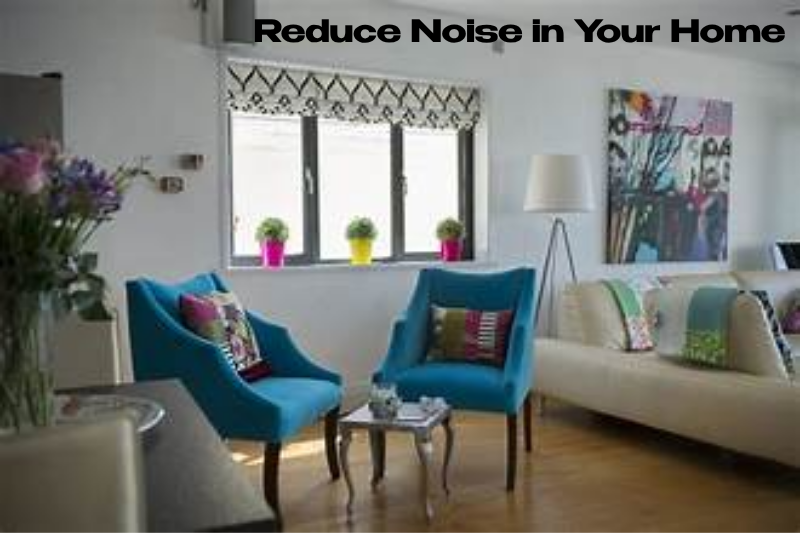
Noise can affect the energy of your home more than you may realize. A noisy home can feel stressful, even if it looks beautiful.
You can reduce noise by using rugs, curtains, cushions, wall hangings, and soft furniture. These items absorb sound and reduce echo. You can also create one quiet corner for reading, working, prayer, or relaxation.
Benefits
Reducing noise makes your home feel calmer and more peaceful. It can improve focus, sleep, and relaxation. Soft materials also add warmth and beauty to rooms.
Drawbacks
Noise control can be difficult if you live near a busy road, market, or construction area. Complete soundproofing can be expensive. Simple changes help, but they may not remove noise completely.
16. Use Smart Home Devices
Smart home devices can help you manage energy more easily. Smart plugs, motion-sensor lights, programmable thermostats, and smart switches can reduce waste and improve convenience.
For example, motion-sensor lights turn on only when someone is in the room. Smart plugs can turn off devices automatically. Timers can help control outdoor lights or appliances.
Benefits
Smart devices can save energy and make daily life easier. They are useful for people who often forget to switch off lights or appliances. Some devices can also be controlled from a phone.
Drawbacks
Smart devices can be expensive. Some require Wi-Fi, apps, or technical setup. If the internet stops working, some features may not work properly. Privacy and security should also be considered when using connected devices.
17. Maintain Appliances Regularly
A well-maintained appliance works better and uses energy more efficiently. Dirty filters, blocked vents, leaking taps, damaged wiring, or dusty fans can increase energy waste.
Clean AC filters regularly. Service your air conditioner before summer. Clean refrigerator coils if needed. Repair leaking taps. Replace damaged wires or switches with professional help.
Home maintenance may not feel exciting, but it is one of the most important ways to improve energy at home.
Benefits
Regular maintenance improves performance and can reduce energy bills. It also helps appliances last longer and prevents costly repairs. A well-maintained home is safer and more comfortable.
Drawbacks
Maintenance takes time and sometimes money. Professional servicing may be needed for electrical or cooling systems. Ignoring maintenance may seem easier in the short term, but it can create bigger problems later.
18. Choose Light and Calm Colors
Colors can change how a room feels. Dark colors can look stylish, but they may make a room feel smaller or heavier. Light colors such as white, cream, beige, soft gray, and pastel shades make rooms feel brighter and more open.
You do not need to repaint the whole house. You can start with small changes like light curtains, bedsheets, cushion covers, rugs, or wall decor.
Benefits
Light colors help reflect natural light and make rooms feel bigger. They create a calm and clean look. They are also easy to match with different furniture styles.
Drawbacks
Light colors can get dirty more easily, especially in homes with children or pets. White walls or fabrics may need more cleaning. Some people may also find very light rooms too plain unless decor is added.
19. Save Water to Save Energy
Water and energy are connected. Heating water uses electricity or gas. Pumping water also uses energy. So, saving water can also help reduce energy use.
Fix leaking taps. Use water carefully while washing dishes. Take shorter showers. Turn off taps when brushing teeth or cleaning. Use buckets when possible instead of letting water run continuously.
Benefits
Saving water reduces utility costs and prevents waste. It also supports a more responsible lifestyle. Small water-saving habits are easy to start and do not require major investment.
Drawbacks
Some water-saving changes may require habit changes. Low-flow fixtures may cost money at first. In some cases, very low water pressure can be inconvenient.
20. Make Improvements Step by Step
One mistake many people make is trying to change everything at once. This can feel overwhelming. The better approach is to improve your home step by step.
Start with easy changes first. Switch to LED bulbs. Open curtains during the day. Unplug unused chargers. Declutter one room. Add one plant. After that, move to bigger improvements like sealing windows, upgrading appliances, or using smart devices.
The best ways to improve energy at home are the ones you can actually follow consistently.
Benefits
Step-by-step improvement is easier and less stressful. It allows you to manage your budget. You can slowly see what works best for your home.
Drawbacks
Results may take time. You may not see a big change immediately. Some people lose motivation if they do not create a simple plan.
General Benefits of Improving Energy at Home
Improving energy at home has many advantages. The first major benefit is lower electricity bills. When you reduce waste and use efficient products, your monthly costs can go down.
Another benefit is better comfort. A bright, clean, well-ventilated home feels better to live in. You may feel calmer, more focused, and more relaxed.
It also improves your lifestyle. When your home is organized, fresh, and peaceful, daily tasks become easier. You enjoy spending time at home more.
Energy improvements can also increase the value of your home. Buyers and renters often prefer homes that are comfortable, efficient, and well-maintained.
Most importantly, these improvements help reduce waste. Using less electricity and water is better for the environment and supports a more responsible way of living.
General Drawbacks of Improving Energy at Home
Although there are many benefits, there can also be some drawbacks. Some improvements require money at the start. For example, energy-efficient appliances, smart devices, curtains, insulation, or professional maintenance may cost more initially.
Another drawback is that some changes take time and effort. Decluttering, cleaning, changing habits, and maintaining appliances require consistency.
Some improvements may not work equally well for every home. For example, natural light may be limited in apartments with small windows. Ventilation may be difficult in polluted or noisy areas. Solar energy may not be practical for every budget or location.
There can also be a learning curve. Smart devices, energy ratings, and home maintenance may feel confusing at first. But once you understand the basics, it becomes easier to manage.
Conclusion
There are many simple and practical ways to improve energy at home. You can start with small habits like using natural light, switching to LED bulbs, unplugging unused devices, improving ventilation, keeping your home clean, and using fans wisely. Later, you can move toward bigger improvements like energy-efficient appliances, smart devices, better curtains, sealing gaps, and regular maintenance.
The goal is not to create a perfect home overnight. The goal is to make your home more comfortable, efficient, peaceful, and easy to live in. Every small change matters.
Yes, some improvements have drawbacks, such as cost, effort, or maintenance. But most changes offer long-term benefits that make your home better for your budget, your comfort, and your lifestyle.
Start with one simple step today. Open your curtains, switch off unused devices, clean one corner, or replace one old bulb. Slowly, these small actions will turn your home into a brighter, fresher, and more energy-efficient place.
FAQs About Ways to Improve Energy at Home
1. What are the easiest ways to improve energy at home?
The easiest ways to improve energy at home are using natural light, switching to LED bulbs, unplugging unused devices, improving ventilation, and keeping your home clean and organized. These changes are simple, affordable, and can make your home feel brighter, fresher, and more comfortable.
2. How can I reduce my electricity bill at home?
You can reduce your electricity bill by using energy-efficient appliances, turning off lights when not needed, unplugging chargers, using fans wisely, washing clothes in full loads, and avoiding unnecessary use of air conditioners or heaters. Small daily habits can make a big difference over time.
3. Do LED bulbs really save energy?
Yes, LED bulbs use less electricity than traditional bulbs and usually last much longer. They may cost a little more at first, but they can help save money in the long run because they use less power and do not need frequent replacement.
4. How does natural light improve energy at home?
Natural light reduces the need for artificial lighting during the day. It also makes rooms feel more open, fresh, and positive. A well-lit home often feels more welcoming and can improve your mood.
5. What is the best way to make my home feel fresh and positive?
To make your home feel fresh and positive, improve airflow, open windows regularly, add indoor plants, remove clutter, clean your space, and use light colors. These simple steps can make your home feel calmer, cleaner, and more peaceful.