
Have you ever walked past an old dresser, coffee table, or wooden chair and thought about throwing it away? Before you do, consider giving it a second life. With the right approach, old furniture can become one of the most beautiful pieces in your home. That’s exactly why DIY Furniture Makeover Ideas have become a favorite among homeowners, renters, and creative DIY enthusiasts.
A furniture makeover isn’t just about painting an old table. It’s about transforming something outdated into a unique piece that reflects your personal style while saving money and reducing waste. Whether you’re decorating your first apartment, updating your living room, or simply looking for a fun weekend project, DIY furniture makeovers are an affordable and rewarding solution.
In this detailed guide, you’ll learn everything you need to know about DIY Furniture Makeover Ideas, including preparation tips, creative makeover techniques, benefits, drawbacks, common mistakes, and expert advice for achieving professional-looking results.
What Are DIY Furniture Makeover Ideas?
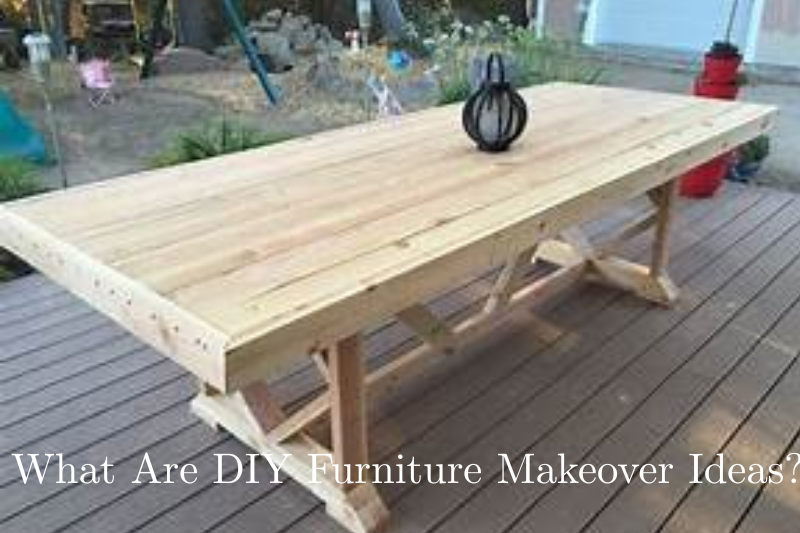
DIY Furniture Makeover Ideas are creative methods used to restore, repaint, redesign, or repurpose old furniture instead of replacing it. These projects can be as simple as changing cabinet handles or as advanced as converting an old dresser into a bathroom vanity.
Furniture makeover projects can include:
- Painting old furniture
- Refinishing wood
- Reupholstering chairs
- Adding decorative wallpaper
- Installing new hardware
- Creating distressed finishes
- Applying wood stain
- Repurposing furniture for new uses
The goal is to improve both the appearance and functionality of furniture while extending its lifespan.
Why Are DIY Furniture Makeover Ideas So Popular?
More people are choosing DIY furniture makeovers because they offer a practical alternative to buying new furniture. Rising furniture prices and growing interest in sustainable living have encouraged many homeowners to embrace upcycling.
Some of the biggest reasons for their popularity include:
- Saving money on home décor
- Creating personalized furniture
- Reducing environmental waste
- Learning valuable DIY skills
- Enjoying creative weekend projects
- Preserving sentimental furniture pieces
Instead of spending hundreds of dollars on new furniture, you can often achieve stunning results with a modest budget and a little effort.
Tools and Materials You’ll Need
Before beginning any makeover project, gather the essential supplies.
Basic Tools
- Screwdrivers
- Sandpaper (80, 120, and 220 grit)
- Paint brushes
- Foam rollers
- Painter’s tape
- Drop cloth
- Putty knife
- Electric sander (optional)
Materials
- Furniture cleaner
- Wood filler
- Primer
- Furniture paint
- Chalk paint
- Wood stain
- Protective wax or polyurethane
- Decorative wallpaper
- Contact paper
- Replacement knobs and handles
Having quality materials makes the project easier and produces more durable results.
Preparing Furniture Before the Makeover
Preparation is one of the most important steps in any DIY furniture makeover.
Step 1: Clean Thoroughly
Dust, grease, and dirt prevent paint from sticking properly.
Use warm water with mild soap or a furniture cleaner to remove all surface residue.
Step 2: Repair Damage
Fill scratches, dents, and holes with wood filler.
Allow it to dry completely before sanding.
Step 3: Sand the Surface
Sanding smooths rough areas and helps primer adhere better.
Always wipe away sanding dust before moving to the next step.
Step 4: Apply Primer
Primer creates a smooth foundation and prevents stains from showing through paint.
Skipping this step may lead to peeling paint later.
You may also like to read these posts:
Ways to Improve Energy at Home
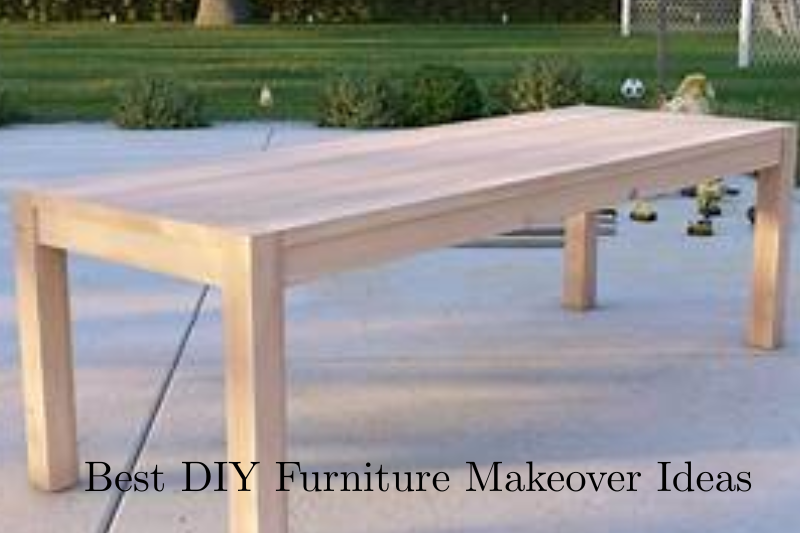
Best DIY Furniture Makeover Ideas
1. Paint Old Furniture
Painting remains the easiest and most affordable makeover technique.
Popular colors include:
- White
- Navy Blue
- Sage Green
- Charcoal Gray
- Matte Black
- Soft Beige
For best results, apply two or three thin coats rather than one thick coat.
2. Replace Cabinet Hardware
Changing knobs and drawer pulls instantly modernizes furniture.
Popular hardware finishes include:
- Matte Black
- Brushed Brass
- Antique Bronze
- Chrome
- Crystal Glass
Small details often create the biggest visual impact.
3. Create a Distressed Vintage Look
A distressed finish adds rustic charm.
After painting, gently sand edges and corners to reveal the underlying wood or base coat.
This technique works particularly well with farmhouse and vintage décor styles.
4. Refinish Natural Wood
Sometimes paint isn’t necessary.
If the wood has attractive grain patterns, sanding and staining can produce a timeless finish.
Choose stains such as:
- Walnut
- Oak
- Mahogany
- Espresso
- Natural Pine
Finish with a clear protective coat for added durability.
5. Add Decorative Stencils
Decorative stencils can transform plain furniture into statement pieces.
Popular stencil patterns include:
- Floral designs
- Moroccan prints
- Mandalas
- Geometric shapes
- Vintage borders
This technique works beautifully on drawer fronts, tabletops, and cabinet doors.
6. Apply Wallpaper or Contact Paper
Peel-and-stick wallpaper is perfect for adding texture and personality.
Use it inside:
- Bookshelves
- Cabinets
- Drawers
You can also apply it to table tops for a fresh new look.
7. Reupholster Dining Chairs
Old chair cushions often look worn before the frame does.
Replacing fabric with:
- Velvet
- Linen
- Cotton
- Faux Leather
can completely refresh the furniture.
8. Try Color Blocking
Instead of using one paint color, combine two complementary shades.
Examples include:
- White and Navy
- Gray and Mustard
- Black and Natural Wood
- Beige and Olive Green
This creates a modern designer appearance.
9. Two-Tone Furniture Finish
Leave wooden tops natural while painting the legs or base.
This style is popular for:
- Dining Tables
- Coffee Tables
- Desks
- Console Table
10. Repurpose Old Furniture
Think beyond the furniture’s original purpose.
Creative ideas include:
- Dresser into bathroom vanity
- Ladder into bookshelf
- Door into dining table
- Crib into reading bench
- Cabinet into coffee station
- Sewing machine table into office desk
Repurposing is one of the most sustainable DIY furniture makeover ideas.
Benefits of DIY Furniture Makeover Ideas
DIY furniture makeovers offer much more than visual improvements.
1. Saves Money
Buying quality furniture can be expensive. A makeover often costs only a fraction of purchasing a new piece, making it a budget-friendly option.
2. Environmentally Friendly
Refinishing existing furniture keeps usable items out of landfills and reduces the demand for new materials. This supports a more sustainable lifestyle.
3. Encourages Creativity
Each project gives you the freedom to experiment with colors, finishes, patterns, and decorative details, allowing you to create something truly unique.
4. Adds Personal Style
Store-bought furniture often looks similar from one home to another. A DIY makeover lets you design furniture that matches your taste and complements your décor.
5. Improves DIY Skills
As you complete more projects, you’ll become more confident using tools, painting techniques, wood stains, and upholstery methods.
6. Increases Furniture Lifespan
Repairing, refinishing, and sealing furniture protects it from further wear and tear, helping it last for many more years.
7. Can Increase Resale Value
Well-executed furniture makeovers can make old pieces more appealing to buyers, especially if you enjoy flipping furniture as a side business.
Drawbacks of DIY Furniture Makeover Ideas
While rewarding, furniture makeovers also have some challenges.
1. Time-Consuming
Proper preparation, painting, drying, and finishing can take several days, especially for larger projects.
2. Requires Patience
Rushing through sanding or applying thick paint coats often leads to uneven finishes or peeling.
3. Initial Tool Costs
If you’re new to DIY, purchasing quality brushes, sanders, primers, and paints may require an upfront investment.
4. Learning Curve
Beginners may make mistakes such as visible brush strokes, paint drips, or uneven staining. Practice improves results over time.
5. Not Every Piece Is Worth Restoring
Furniture with severe structural damage, extensive rot, or termite infestation may cost more to repair than to replace.
6. Workspace Needed
Most projects require a clean, well-ventilated area where furniture can dry safely without being disturbed.
Common Mistakes to Avoid
Many DIY projects fail because people skip essential preparation.
Avoid these common mistakes:
- Painting without cleaning the surface
- Skipping sanding
- Ignoring primer
- Applying thick paint coats
- Forgetting to seal painted furniture
- Reinstalling hardware before paint fully cures
- Choosing the wrong paint for the furniture material
- Not allowing enough drying time between coats
Expert Tips for Professional Results
Follow these simple tips to achieve a polished finish:
- Use high-quality brushes and rollers.
- Remove all hardware before painting.
- Label screws and small parts for easy reassembly.
- Sand lightly between paint coats.
- Work in a dust-free, well-ventilated space.
- Test paint colors on a hidden area first.
- Apply a protective topcoat for long-lasting durability.
- Let the furniture cure completely before heavy use.
Frequently Asked Questions (FAQs)
How much does a DIY furniture makeover cost?
Most small furniture makeover projects cost between $20 and $100, depending on the size of the piece and the materials you choose.
Do I always need to sand furniture before painting?
Not always. Some specialty paints can be applied with minimal sanding, but lightly sanding usually improves paint adhesion and creates a smoother finish.
How long does a furniture makeover take?
A simple project may take a weekend, while larger pieces can require several days because of preparation, drying time, and applying protective finishes.
What type of paint is best for furniture?
Chalk paint, acrylic furniture paint, and enamel paints are popular choices because they provide good coverage and durability when paired with the appropriate primer and topcoat.
Can beginners do DIY furniture makeovers?
Yes. Many projects are beginner-friendly. Starting with a small side table or stool is a great way to build confidence before tackling larger furniture.
Final Thoughts
DIY Furniture Makeover Ideas are a fantastic way to breathe new life into old furniture without spending a fortune. Whether you’re painting a tired dresser, refinishing a wooden table, or turning an unused cabinet into a stylish coffee station, every makeover is an opportunity to create something unique.
While these projects require time, patience, and careful preparation, the rewards are well worth the effort. You’ll save money, reduce waste, develop practical DIY skills, and enjoy furniture that reflects your personal style. Start with a simple project, follow the proper steps, and don’t be afraid to experiment. With practice, you’ll be amazed at how ordinary furniture can become extraordinary.