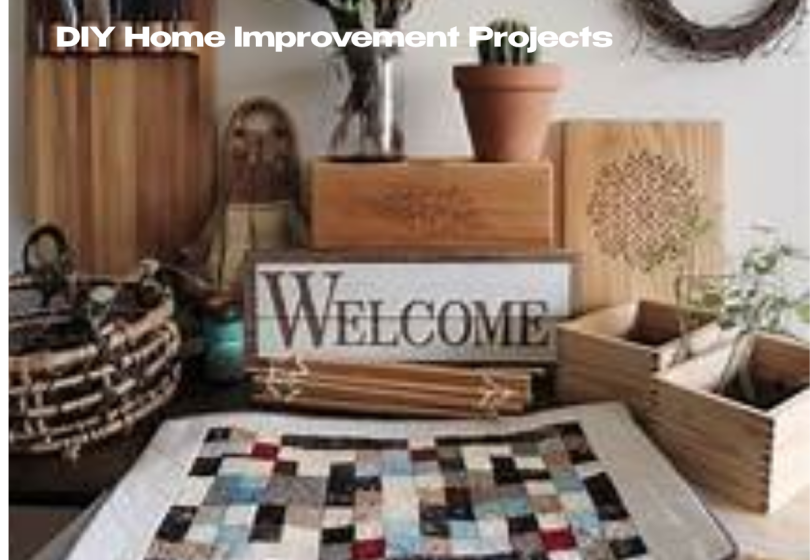

Have you ever walked into your home and felt like something needed to change? Maybe your living room looks outdated, your kitchen feels dull, or your bedroom no longer reflects your style. The good news is that you don’t always need a contractor or a huge renovation budget to make your home look amazing. With the right DIY Home Improvement Projects, you can upgrade your living space, save money, and enjoy the satisfaction of creating something with your own hands.
DIY, which stands for “Do It Yourself,” has become increasingly popular among homeowners because it offers an affordable and creative way to improve a home’s appearance and functionality. Whether you’re painting walls, installing shelves, upgrading lighting, or refreshing your garden, every project adds value and personality to your home.
In this comprehensive guide, we’ll walk through everything you need to know about DIY Home Improvement Projects, including their benefits, drawbacks, essential tools, beginner-friendly ideas, safety tips, budgeting advice, and mistakes to avoid.
What Are DIY Home Improvement Projects?

DIY Home Improvement Projects are renovation, repair, decorating, or maintenance tasks that homeowners complete themselves instead of hiring professionals. These projects can range from simple weekend upgrades like painting a room to more advanced tasks such as installing flooring or building custom furniture.
DIY projects allow homeowners to personalize their living spaces while reducing renovation costs. They also provide valuable hands-on experience and practical skills that can be useful for years to come.
Some common examples include:
- Painting interior or exterior walls
- Installing floating shelves
- Replacing cabinet handles
- Creating a garden pathway
- Building outdoor furniture
- Installing peel-and-stick wallpaper
- Organizing garages
- Updating bathroom fixtures
- Adding decorative lighting
- Landscaping your yard
The beauty of DIY projects is that you can choose tasks that match your experience level and budget.
Why Are DIY Home Improvement Projects So Popular?
More homeowners are choosing DIY than ever before. One of the biggest reasons is cost savings. Professional labor can account for a significant portion of renovation expenses, and completing projects yourself can reduce overall costs.
Another reason is creative freedom. You decide every detail—from paint colors and furniture placement to decorative finishes—without relying on someone else’s vision.
Many people also enjoy the learning experience. Every completed project builds confidence and teaches valuable home maintenance skills.
Perhaps the most rewarding part is the sense of accomplishment. There’s something incredibly satisfying about looking at a finished project and knowing you created it yourself.
Benefits of DIY Home Improvement Projects
DIY projects offer far more than financial savings. They can improve your lifestyle, increase your home’s value, and even become an enjoyable hobby.
1. Saves Money
One of the biggest advantages of DIY Home Improvement Projects is reducing labor costs. Professional contractors often charge hundreds or thousands of dollars depending on the size of the project.
When you complete the work yourself, you only pay for materials and tools.
For example:
- Painting one room yourself may cost a fraction of what a professional painter would charge.
- Installing shelves yourself can save installation fees.
- Replacing cabinet hardware costs very little but creates a noticeable transformation.
2. Increases Home Value
Many DIY improvements make your property more attractive to future buyers.
Projects that often add value include:
- Fresh interior paint
- Modern lighting fixtures
- Updated kitchen hardware
- Bathroom improvements
- Landscaping
- Storage solutions
- Energy-efficient upgrades
Small improvements can make your home look newer and more appealing.
3. Allows Complete Customization
Nobody understands your preferences better than you.
DIY projects allow you to:
- Choose your favorite colors
- Create unique furniture
- Design personalized storage
- Decorate according to your lifestyle
- Build custom shelves and cabinets
Every improvement reflects your personality.
4. Develops Valuable Skills
Each project teaches practical skills such as:
- Painting techniques
- Measuring accurately
- Basic carpentry
- Home maintenance
- Tool handling
- Decorating
- Problem-solving
These skills become increasingly valuable over time.
5. Provides Personal Satisfaction
Completing a project with your own hands creates a strong sense of achievement.
Many homeowners say the pride they feel after finishing a DIY project is one of the biggest rewards.
6. Flexible Scheduling
Professional renovations often depend on contractor availability.
With DIY, you work:
- During weekends
- In the evenings
- During holidays
- At your own pace
There’s no pressure to complete everything in one day.
7. Encourages Creativity
DIY projects inspire creativity by allowing you to experiment with:
- Color combinations
- Decorative designs
- Furniture arrangements
- Wall art
- Garden layouts
- Storage ideas
Every project becomes a creative expression.
Drawbacks of DIY Home Improvement Projects
Although DIY offers many advantages, it also comes with challenges. Understanding these drawbacks helps you plan more effectively.
1. Takes More Time
Professionals complete projects quickly because they have experience.
DIY projects often take:
- Longer planning
- Learning time
- Mistake correction
- Multiple weekends
Patience is essential.
2. Mistakes Can Be Expensive
Inexperience sometimes leads to costly errors.
Common mistakes include:
- Incorrect measurements
- Poor paint application
- Crooked shelves
- Damaged walls
- Incorrect material purchases
Fixing mistakes may cost more than hiring a professional initially.
3. Requires Learning New Skills
Some projects involve techniques you’ve never tried before.
Examples include:
- Tiling
- Flooring installation
- Electrical wiring
- Plumbing repairs
Watching tutorials helps, but practice is still necessary.
4. Tool Costs
Although DIY saves labor costs, you’ll likely need tools such as:
- Drill
- Ladder
- Paint rollers
- Circular saw
- Measuring tape
- Safety equipment
Buying quality tools requires an upfront investment.
5. Safety Risks
Improper use of tools can lead to injuries.
Potential hazards include:
- Falls from ladders
- Electrical shocks
- Cuts from power tools
- Chemical exposure from paints
- Eye injuries
Always wear protective gear and follow safety instructions.
6. Some Projects Require Professionals
Not every home improvement project should be DIY.
Leave these jobs to licensed professionals:
- Major electrical work
- Gas line installation
- Structural wall removal
- Roof replacement
- Foundation repairs
- Complex plumbing systems
Knowing your limits is part of successful DIY.
Best DIY Home Improvement Projects for Beginners
If you’re new to DIY, start with simple projects that build confidence.
Paint a Room
Painting is one of the easiest ways to refresh any space. Choose neutral colors for a timeless appearance or bold shades to create an accent wall.
Replace Cabinet Hardware
Modern handles and knobs instantly upgrade kitchens and bathrooms without replacing expensive cabinets.
Install Floating Shelves
Floating shelves add storage while creating an elegant display for books, plants, and decorations.
Upgrade Lighting
Replacing outdated light fixtures modernizes your home and improves brightness.
Install Peel-and-Stick Wallpaper
This beginner-friendly project transforms walls without the difficulty of traditional wallpaper installation.
Create a Gallery Wall
Frame family photos, artwork, or inspirational quotes to personalize empty walls.
Improve Your Garden
Plant flowers, build raised garden beds, or create decorative pathways for better curb appeal.
Essential Tools for DIY Home Improvement Projects
Every homeowner should have a basic toolkit.
Recommended tools include:
- Hammer
- Screwdriver set
- Cordless drill
- Tape measure
- Utility knife
- Adjustable wrench
- Pliers
- Spirit level
- Paint brushes
- Paint roller
- Ladder
- Safety glasses
- Work gloves
- Dust mask
Investing in quality tools makes projects easier and safer.
You may also like to read these posts:
Ways to Improve Energy at Home
Budget-Friendly DIY Home Improvement Ideas

You don’t need a large budget to improve your home.
Affordable projects include:
- Paint old furniture
- Organize closets
- Install new curtains
- Add indoor plants
- Replace switch plates
- Upgrade bathroom mirrors
- Refresh front doors
- Install weather stripping
- Build simple bookshelves
- Paint kitchen cabinets
Many of these projects cost little but have a noticeable impact.
Safety Tips for DIY Projects
Safety should always come first.
Follow these guidelines:
- Read instructions before starting.
- Wear protective eyewear and gloves.
- Keep your workspace clean.
- Turn off electricity before electrical work.
- Use ladders correctly.
- Measure twice before cutting.
- Work in a well-ventilated area when painting.
- Keep children and pets away from work areas.
- Never rush a project.
Common DIY Mistakes to Avoid
Avoid these common errors:
- Skipping measurements
- Ignoring safety equipment
- Buying cheap materials
- Starting without a plan
- Taking on projects beyond your skill level
- Forgetting to prepare surfaces before painting
- Underestimating project costs
Good preparation prevents many problems.
How to Plan a Successful DIY Home Improvement Project
A little planning goes a long way.
- Decide what you want to improve.
- Set a realistic budget.
- Measure everything carefully.
- Research the project thoroughly.
- Buy quality materials.
- Gather all necessary tools.
- Allow extra time for unexpected challenges.
- Work safely and patiently.
Planning helps ensure better results and fewer mistakes.
Frequently Asked Questions (FAQs)
Are DIY Home Improvement Projects worth it?
Yes. They can save money, improve your home’s appearance, increase property value, and teach practical skills. However, it’s important to choose projects that match your experience level.
What is the easiest DIY home improvement project?
Painting walls, replacing cabinet hardware, installing floating shelves, and updating light fixtures are among the easiest projects for beginners.
How much money can DIY projects save?
Savings vary depending on the project, but doing the work yourself can significantly reduce labor costs. The exact amount depends on the project’s complexity and the tools or materials required.
Which DIY projects increase home value?
Projects such as painting, landscaping, updating kitchens and bathrooms, improving lighting, and adding storage are commonly considered to improve a home’s appeal and can contribute to its value.
When should I hire a professional instead of doing it myself?
Hire a licensed professional for structural changes, major electrical work, gas line installation, roofing, foundation repairs, or complex plumbing jobs.
Final Thoughts
DIY Home Improvement Projects are an excellent way to transform your home without spending a fortune. Whether you’re repainting a room, upgrading your kitchen, building custom shelves, or improving your outdoor space, every project gives you the opportunity to create a home that better reflects your style and needs.
While DIY comes with challenges such as time, learning curves, and the possibility of mistakes, the rewards often outweigh the drawbacks. You’ll save money, develop practical skills, gain confidence, and enjoy the satisfaction of seeing your hard work come to life.
The key to success is to start with simple projects, plan carefully, use quality materials, and always prioritize safety. As your experience grows, you’ll be able to tackle more ambitious projects and continue improving your home one step at a time.