
Introduction
Have you ever admired a handmade piece of furniture, a beautifully decorated room, or a creative home accessory and thought, “I wish I could make something like that”? The truth is, you don’t need to be a professional carpenter, designer, or artist to create something amazing. With the right mindset and a little patience, anyone can start with DIY Projects for Beginners and gradually develop valuable skills.
DIY, which stands for “Do It Yourself,” is the practice of creating, repairing, decorating, or building items without hiring professionals. It has become increasingly popular because it allows people to save money, personalize their homes, reduce waste, and enjoy a productive hobby.
Whether you’re looking to improve your living space, learn practical skills, or simply spend your free time creatively, beginner DIY projects are the perfect place to start. This guide covers everything you need to know—from the benefits and drawbacks to essential tools, easy project ideas, safety tips, and common mistakes to avoid.
What Are DIY Projects for Beginners?
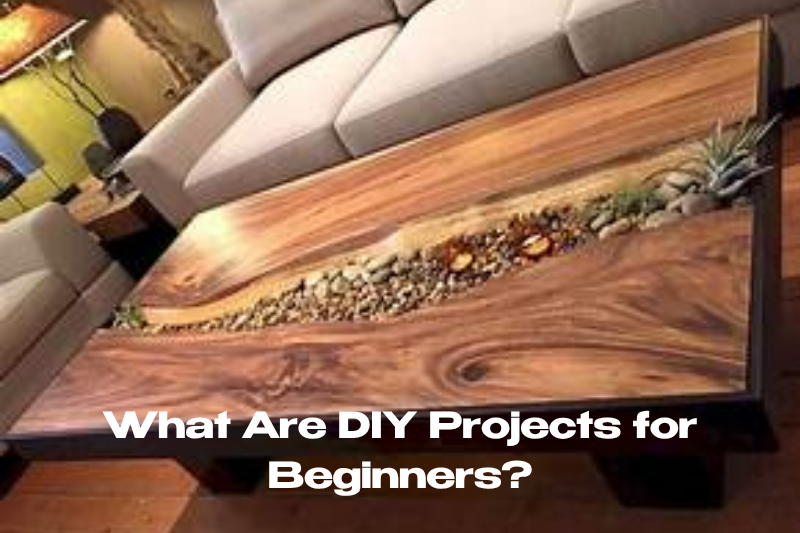
DIY Projects for Beginners are simple, easy-to-follow projects designed for people with little or no experience. These projects require basic tools, affordable materials, and minimal technical knowledge.
Unlike advanced woodworking or home renovation projects, beginner DIY tasks focus on building confidence while teaching fundamental skills like:
- Measuring accurately
- Cutting materials safely
- Painting and decorating
- Sanding surfaces
- Using hand tools
- Organizing workspaces
- Solving small construction problems
The goal isn’t perfection—it’s learning by doing.
Why Are DIY Projects Becoming So Popular?
DIY has become more than just a hobby. Millions of people enjoy creating handmade items because it offers a sense of accomplishment that’s difficult to find elsewhere.
People choose DIY because they can:
- Save money on home improvements
- Create personalized decorations
- Learn valuable life skills
- Reduce household waste
- Spend quality family time together
- Relax after a busy day
- Improve creativity and problem-solving
Thanks to online tutorials, beginner-friendly guides, and affordable tools, getting started has never been easier.
Benefits of DIY Projects for Beginners
One of the biggest reasons people love DIY is the wide range of benefits it offers. Here are some of the most important advantages.
1. Saves Money
DIY projects often cost much less than buying finished products or hiring professionals. A handmade bookshelf, planter, or storage organizer can cost significantly less than a store-bought version.
Even small repairs around the house can save hundreds of dollars over time.
2. Builds Practical Skills
Every project teaches something useful.
As you complete more projects, you’ll naturally improve your ability to:
- Measure accurately
- Use tools correctly
- Paint neatly
- Assemble furniture
- Repair household items
- Install shelves
- Organize spaces
These skills become valuable throughout life.
3. Encourages Creativity
DIY allows you to design projects exactly how you want.
You can choose:
- Colors
- Materials
- Shapes
- Sizes
- Patterns
- Decorative finishes
Instead of buying identical products from stores, you create something unique.
4. Reduces Stress
Working with your hands can be incredibly relaxing.
Many people treat DIY as a form of mindfulness because it helps them focus on one task instead of worrying about daily stress.
Completing a project also provides a satisfying sense of achievement.
5. Makes Your Home More Personal
Handmade decorations reflect your personality.
Instead of filling your home with mass-produced items, you can create decorations that match your style perfectly.
Examples include:
- Custom shelves
- Painted flower pots
- Wooden signs
- Handmade wall art
- Storage baskets
6. Environmentally Friendly
DIY often encourages recycling and reusing materials.
Old furniture, glass jars, wooden pallets, and leftover paint can all become beautiful new creations instead of ending up in landfills.
7. Improves Problem-Solving Skills
Not every project goes exactly as planned.
Learning how to fix mistakes, adjust measurements, or find creative solutions helps improve your problem-solving abilities.
8. Provides a Sense of Achievement
There’s something incredibly rewarding about saying,
“I built this myself.”
Every completed project boosts confidence and motivates you to try something bigger.
Drawbacks of DIY Projects for Beginners
You may also like to read these posts:
Ways to Improve Energy at Home
Although DIY has many advantages, it’s important to understand the challenges as well.
1. Mistakes Can Be Costly
Beginners sometimes:
- Cut wood incorrectly
- Buy the wrong materials
- Paint unevenly
- Measure inaccurately
These mistakes may require purchasing extra supplies.
2. Time-Consuming
DIY projects often take longer than expected.
A project that looks like a one-hour task may require an entire weekend once preparation, drying time, and cleanup are included.
3. Initial Tool Costs
Although DIY saves money in the long run, buying basic tools can require an upfront investment.
Fortunately, you don’t need professional equipment immediately.
4. Learning Curve
Every new skill requires practice.
Your first few projects may not look perfect, and that’s completely normal.
Learning through mistakes is part of the DIY experience.
5. Safety Risks
Using tools incorrectly can cause injuries.
Sharp blades, power drills, paint fumes, and heavy materials require proper safety precautions.
Always wear protective equipment when necessary.
Essential DIY Tools Every Beginner Needs
You don’t need an expensive workshop.
Start with these basic tools:
- Hammer
- Screwdriver set
- Measuring tape
- Utility knife
- Adjustable wrench
- Pliers
- Sandpaper
- Paintbrushes
- Level
- Drill (optional but recommended)
- Safety goggles
- Work gloves
As your skills improve, you can gradually invest in additional equipment.
Easy DIY Projects for Beginners
1. Wooden Picture Frame
A simple project that teaches measuring, cutting, sanding, and painting.
2. Mason Jar Organizer
Transform old jars into attractive storage containers for bathrooms, kitchens, or offices.
3. Decorative Plant Pots
Paint ordinary flower pots with creative patterns and colors.
4. Floating Wall Shelf
Learn how to measure, drill, and install shelves while creating extra storage.
5. Rope Storage Basket
Wrap rope around an old plastic container to create a stylish basket.
6. DIY Candle Holder
Use glass jars, stones, and candles to make elegant home decorations.
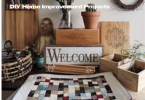
7. Wooden Welcome Sign
Create personalized signs for your home entrance.
8. Simple Coffee Table Makeover
Refresh an old coffee table with sanding, painting, and varnishing.
9. Wall Art Canvas
Design modern artwork using acrylic paints and simple geometric patterns.
10. Indoor Succulent Garden
Arrange low-maintenance plants in decorative containers for fresh indoor décor.
Common Mistakes Beginners Should Avoid
Many beginners struggle because they:
- Skip reading instructions
- Rush measurements
- Ignore safety rules
- Buy unnecessary tools
- Choose difficult projects first
- Forget to prepare their workspace
- Give up after small mistakes
Take your time and enjoy the learning process.
DIY Safety Tips
Safety should always come first.
Remember to:
- Wear protective glasses.
- Use gloves when necessary.
- Keep children away from sharp tools.
- Work in a well-ventilated area.
- Follow manufacturer instructions.
- Unplug power tools after use.
- Keep your workspace organized.
A safe project is always a successful project.
Budget-Friendly DIY Tips
You don’t need a large budget to start.
Save money by:
- Shopping at thrift stores
- Reusing old furniture
- Recycling glass containers
- Using leftover paint
- Buying materials during sales
- Borrowing tools from friends or family
- Starting with small projects
How to Improve Your DIY Skills
Practice is the key to becoming better.
You can improve by:
- Completing one project every month
- Watching tutorial videos
- Reading beginner DIY guides
- Learning basic woodworking
- Experimenting with different materials
- Joining online DIY communities
- Keeping a record of what works and what doesn’t
Every project teaches something valuable.
Frequently Asked Questions (FAQs)
Are DIY projects suitable for complete beginners?
Yes. Many DIY projects are specifically designed for people with no previous experience. Start with small, simple tasks and gradually take on more challenging projects.
Do I need expensive tools?
No. Most beginner projects require only a few affordable hand tools. You can expand your toolkit over time as your skills grow.
How much money can DIY save?
The amount varies depending on the project, but DIY can significantly reduce costs compared to buying ready-made items or hiring professionals. The savings are often greatest on home décor, simple furniture, and basic household repairs.
What is the easiest DIY project to start with?
Painting flower pots, creating mason jar organizers, making wall art, or building a simple wooden picture frame are excellent first projects because they require minimal tools and are easy to complete.
Is DIY safe for beginners?
Yes, provided you follow safety instructions, use tools correctly, wear protective equipment when needed, and avoid projects that exceed your current skill level.
Final Thoughts
Starting with DIY Projects for Beginners is one of the best ways to learn practical skills while expressing your creativity. Every project, whether it’s a painted flower pot or a handmade shelf, helps you gain experience and confidence. You don’t need expensive equipment or years of training—just a willingness to learn and the patience to improve with each attempt.
Like any hobby, DIY comes with both advantages and challenges. While you may face occasional mistakes, spend extra time on projects, or invest in a few basic tools, the long-term rewards often outweigh the drawbacks. You’ll save money, personalize your home, reduce waste, and enjoy the satisfaction of creating something with your own hands.
Remember, every expert DIY enthusiast started as a beginner. Start with one simple project, enjoy the process, and continue building your skills. Before long, you’ll be tackling larger projects with confidence and turning your ideas into reality.